


Bangladesh’s statement on Iran: Measured words, high stakes

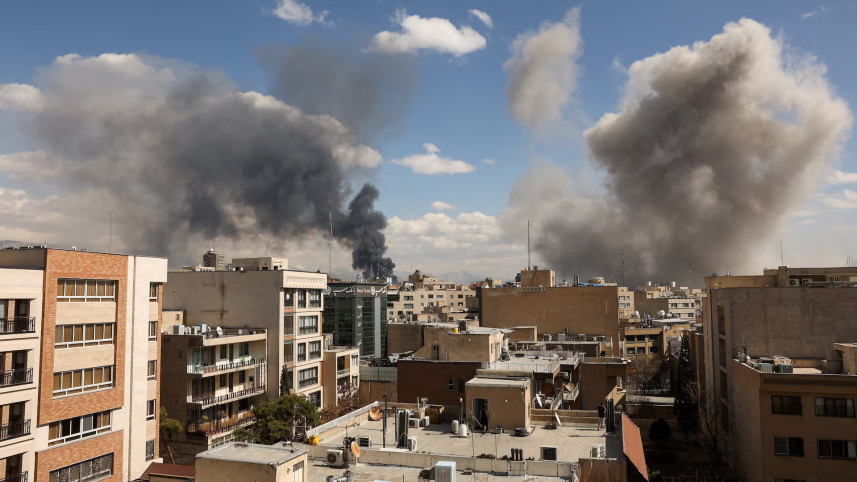
On Sunday, Bangladesh’s Ministry of Foreign Affairs issued a statement about the attacks on Iran. On paper, it ticked all the expected boxes: concern for the safety of Bangladeshi nationals, warnings that continued fighting would threaten regional stability and civilians, calls for “all concerned parties” to exercise restraint, and condemnation of sovereignty violations in Bahrain, Iraq, Jordan, Kuwait, Qatar, Saudi Arabia, and the UAE. And, as always, it ended with the familiar hope that peace and stability would soon return.
But what the statement didn’t say is what really matters. It didn’t name the United States or Israel—the countries that launched the strikes without any provocation. It didn’t explicitly identify Iran as the primary victim, either. These omissions aren’t accidental; they are the heart of the statement. For probably the first time since taking office two weeks ago, the BNP government has refrained from wooing public sentiment, opting instead for carefully measured language that prioritises strategic calculation over moral reassurance or populist approval.

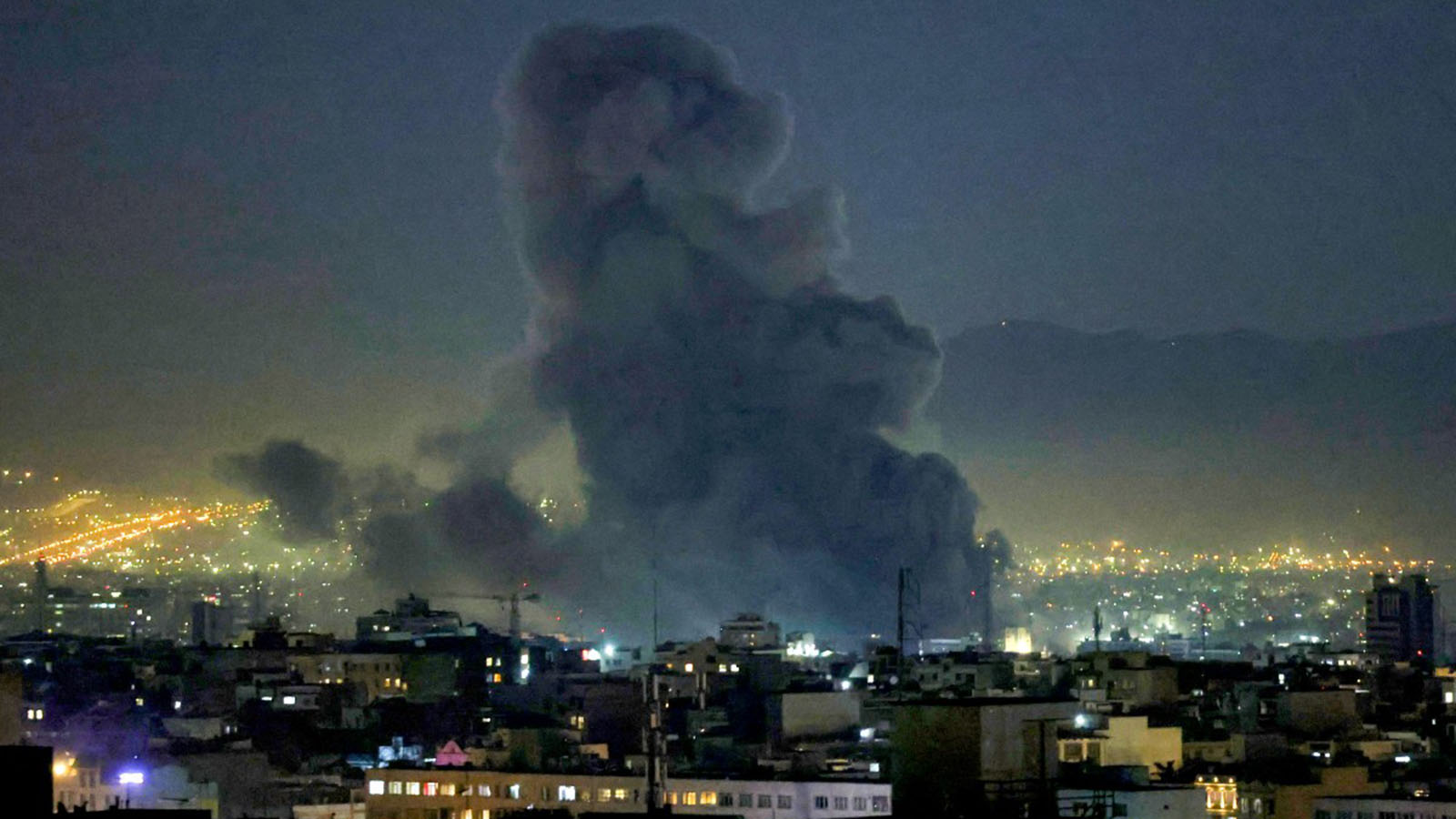
A day later, however, Dhaka issued a second statement. This time, it expressed sorrow over the assassination of Ayatollah Ali Khamenei in what it described as a “targeted attack,” calling it a violation of international law and norms. It extended heartfelt condolences to the “brotherly people of Iran” and reiterated that conflict brings no solution—only dialogue, mutual respect, and adherence to international law can resolve disputes. The shift was subtle but significant.
Early signals from a new administration carry enormous weight in foreign policy—they tell the world how this government intends to position itself. Diplomatic language is never casual; every word is calculated for alliances, vulnerabilities, and long-term ambition. These statements were more than routine press releases. Together, they offer a first glimpse of how Dhaka plans to navigate a world dominated by great-power rivalries, where a misstep could be extremely costly.
Reading the initial statement, one couldn’t ignore how vague it was. It was stripped of specifics, so cautious it almost felt automated. Real diplomacy—even measured diplomacy—usually carries texture: a subtle allocation of responsibility, a hint of positioning, a trace of conviction. In that first communication, there was little of that.
Yet there may have been deliberate sequencing at play. Words in foreign policy are tools. Bangladesh doesn’t have military leverage; every line is a strategic choice. The government must balance multiple priorities: maintain a working relationship with the US, keep goodwill with Gulf countries hosting millions of its citizens, secure OIC support for its UN General Assembly presidency bid, and avoid entanglement in a conflict it cannot influence. Naming the aggressors or taking a strongly partisan stance might have satisfied public opinion, but it could have closed doors the government needs to keep open.
The economic stakes are immediate. Bangladesh’s economy depends heavily on exports, particularly the garment sector, which is closely tied to Western markets. Any deterioration in relations with the US could trigger reciprocal tariffs or trade penalties, sending shockwaves through a sector that employs millions and underpins national revenue. Meanwhile, millions of Bangladeshis work in the Gulf, and their remittances are critical to both household and national income. Diplomatic missteps could jeopardise their safety or disrupt remittance flows. Emphasising the welfare of Bangladeshi nationals is therefore not mere formality—it’s a recognition of tangible vulnerability.
Then there’s the Trump factor. With him back in the White House, perceived slights matter more than ever. Trump is known to react unpredictably to criticism. Even a carefully worded statement that named the US as an aggressor could have unintended consequences for trade, aid, or broader engagement. In this context, silence—or carefully measured neutrality—is a pragmatic acknowledgment of how power, personality, and economics intersect.
Multilateral ambitions also shape Dhaka’s approach. Bangladesh is campaigning for the presidency of the 81st UN General Assembly for 2026–27, a position it last held in 1986–87. Success depends on broad support, especially from OIC members. The foreign minister recently returned from Saudi Arabia, where the host country, alongside Pakistan, Turkey, Palestine, and several others, reaffirmed full support for Bangladesh’s candidacy. With Palestine having withdrawn, Bangladesh now primarily competes with Cyprus. Missteps in tone or language could jeopardise these alliances. In that light, avoiding antagonism toward the US and maintaining neutral language on Iran makes strategic sense.
The regional optics remain delicate. Iran is a major Asian power and part of the broader Muslim world. Bangladesh has long emphasised solidarity with developing nations and Muslim-majority countries. Omitting Iran while condemning sovereignty violations elsewhere could appear inconsistent. Yet, policymakers are likely calculating that Iran’s internal political future is uncertain, and that the current leadership may not survive the crisis in its present form. Taking a strongly partisan position now could limit flexibility later and carry diplomatic costs. For a country with limited leverage, caution is the safer path.
This doesn’t make the statement beyond critique. There is a difference between careful neutrality and language so diluted that it risks seeming empty. When reports speak of civilian casualties, targeted killings, and the possibility of wider regional conflict, clarity carries moral and political weight. Small and medium-sized states operate within hierarchies of power and economic dependence; mistakes here can have real consequences.
Seen together, the two statements suggest a style of diplomacy under the BNP government that prioritises stability, flexibility, and risk management over rhetorical boldness. It reflects a leadership acutely aware of economic fragility, diaspora dependence, multilateral ambitions, and the volatility of great-power politics. The shift from silence to calibrated principle does not necessarily signal contradiction; it signals timing.
Whether this calibrated neutrality will strengthen Bangladesh’s global standing or erode its moral voice will depend on how consistently it is applied. For now, the first signal is clear: the new government intends to navigate turbulent waters not with loud condemnation, controlled pacing—speaking when the diplomatic cost is manageable, and framing its position in the language of law rather than accusation.
Jannatul Naym Pieal is a Dhaka-based writer, researcher, and journalist. He can be reached at jn.pieal@gmail.com
Views expressed in this article are the author's own.
Follow The Daily Star Opinion on Facebook for the latest opinions, commentaries, and analyses by experts and professionals. To contribute your article or letter to The Daily Star Opinion, see our guidelines for submission.
 For all latest news, follow The Daily Star's Google News channel.
Comments