


Unlocking Bangladesh’s Green Business Potential
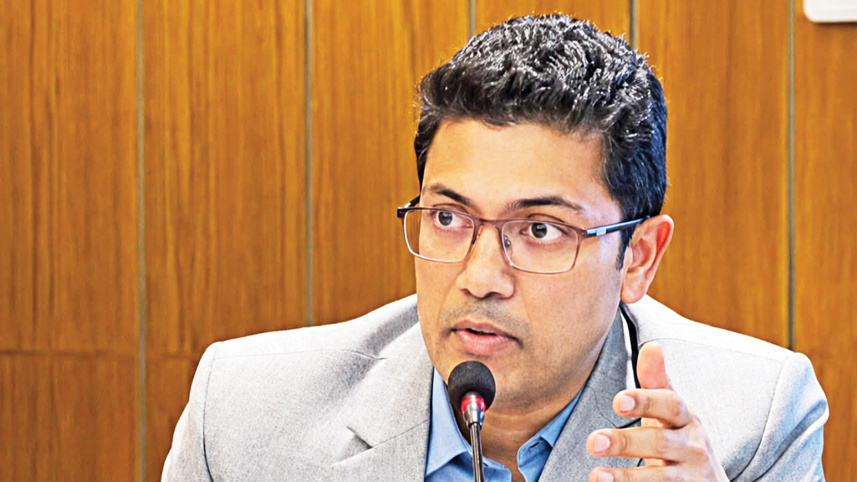
ASM Marjan Nur
Climate and Environment Advisor
British High Commission in Dhaka
Bangladesh demonstrates strong policy ambition for green entrepreneurship, yet implementation gaps persist. Young entrepreneurs possess brilliant ideas but struggle to transform them into bankable, commercially viable projects.

Development partners can address this through targeted support. Project preparation assistance helps shape innovative concepts into investment-ready proposals. Blended finance mechanisms combining grants for early testing with concessional financing enable entrepreneurs to pilot ideas effectively.
Strengthening local financial institutions remains crucial. Bangladesh Bank and the government actively promote green entrepreneurship, and development partners can facilitate access to tested green technologies from global markets, ensuring commercial viability within the Bangladesh context.
Market connectivity represents another essential gap. Linking entrepreneurs with large corporations, export supply chains, investors, and public procurement systems drives scalability. Building mentoring networks and international collaboration, particularly in offshore wind and marine renewable technologies, bridges expertise gaps between Global South and North.
Improved coordination amongst regulatory authorities streamlines licensing and approvals. Development partners’ convening power can catalyse this transformation, enabling green businesses to thrive at scale.
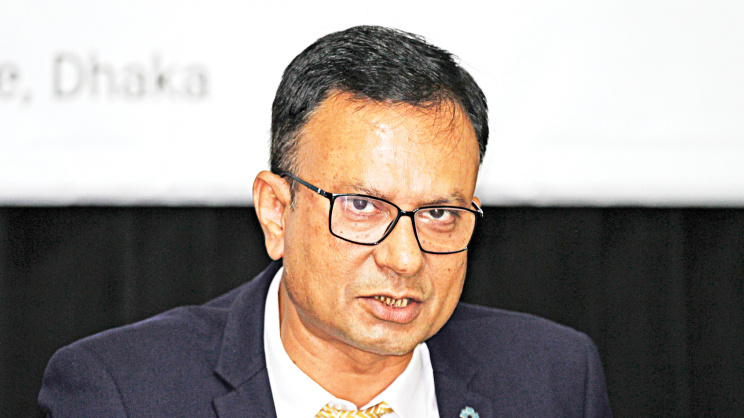
AKM Sohel
Additional Secretary - Economic Relations Division
Ministry of Finance
Bangladesh faces a substantial financing gap for climate action. The National Adaptation Plan requires 230 billion dollars, with annual needs estimated at 29.29 billion dollars.
The government has allocated 4.5 billion dollars in climate finance, the highest ever, with 67 percent directed towards adaptation rather than mitigation.
Bangladesh has secured 474 million dollars from vertical funds, including the Green Climate Fund across seven projects, ranking among the top five countries accessing such resources. However, bridging the gap demands climate literacy across all government ministries, financial institutions and private sectors.
The Bangladesh Climate Development Partnership provides a unique coordination platform amongst development partners, academia, and business sectors, preventing duplication of efforts. Regulatory predictability is essential, as investors require clear rules on emissions and green certifications.
Priority initiatives include developing a green finance taxonomy and transitioning towards innovative financing mechanisms beyond traditional loan-grant models.
The forthcoming national carbon market framework under Article 6 of the Paris Agreement will unlock significant investment opportunities, transforming Bangladesh into a resilient economy.

Zunaed Rabbani
Consultant - Agri-food Systems and Private Sector
Engagement
Sustainable agriculture must be profitable. Without commercial viability, sustainable farming will not last. The apparel sector shows that green practices can help businesses secure higher prices and more orders. Agriculture can benefit in the same way if markets reward sustainable produce.
A trustworthy certification system is essential for that. It should cover organic products as well as resource-efficient and low-carbon farming practices. Better prices for certified produce can encourage farmers to adopt sustainable methods.
Sustainable farming requires a clustered approach. Neighbouring farms should adopt these practices together. Otherwise, chemical use on nearby farms can cause cross-contamination and increased pest resistance.
Farmers need greater awareness of technologies such as mulching, IPM, AWD and drip irrigation, and Facebook and YouTube content could make millions of farmers aware quickly.
Just as brands in the RMG sector now face buyer-driven pressure on environmental standards, local food companies should also commit to gradually sourcing certified sustainable produce by 2030. Replicating that buyer-pressure model in agriculture — paired with better prices — is what will make sustainable farming commercially viable at scale.

Shakila Sattar Trina
Founder
The Earth Society
 For all latest news, follow The Daily Star's Google News channel.
 Bangladesh has developed incubation programmes for early-stage climate entrepreneurs, yet critical gaps persist in scaling viable innovations. Most programmes end at prototyping stage, lacking long-term mentorship and commercialised business planning essential for market entry.
Local adaptation proves vital. Technologies successful in one region require modification for different contexts- a floating bed using water hyacinth cannot function in saline water environments. Area-based, context-specific incubation remains underdeveloped.
Prototyping presents significant barriers. Talented entrepreneurs from rural areas lack access to technical facilities, research resources, and funding for prototype development. Corporate engagement in testing phases remains minimal despite potential synergies between innovations and existing industries.
Market-driven mentorship from experienced practitioners should replace short-term advisory support. Additionally, climate entrepreneurs lack clarity regarding access to Loss and Damage Funds and carbon credit mechanisms, despite their transformative potential.
International market expansion remains overlooked. Thai and South Korean entrepreneurs successfully export climate products regionally. Bangladesh requires streamlined certification processes and international testing facilities to enable similar global market entry for local innovators.
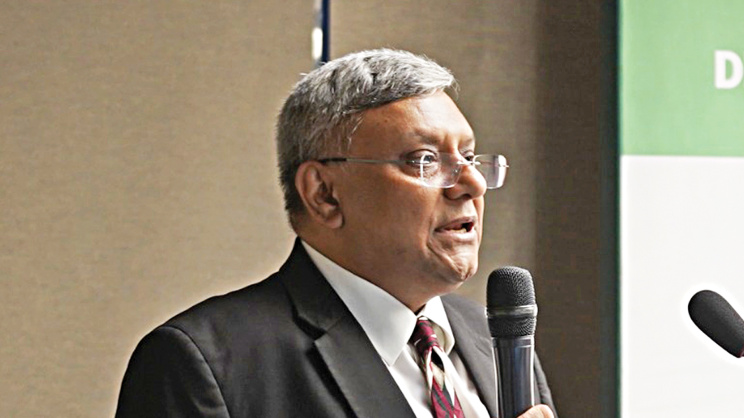
Khadem Mahmud Yusuf
Managing Director and CEO
Bangladesh Petrochemical Company Limited
Bangladesh faces critical gaps in plastic waste management. The supply chain remains fragmented, dominated by unregistered informal actors. Only 5 percent of collection companies register with the Department of Environment, whilst middlemen control economics, logistics, and finances through informal lending systems that trap waste pickers and small operators.
High-value plastics like PET and HDPE are collected effectively, but low-value sachets and polybags remain uncollected despite being banned. Bangladesh consumes 40 million polybags daily, generating microplastics and clogging drainage systems, representing a 357-fold increase since the restriction began.
Recycled materials face unpredictable economics, competing against cheaper fossil fuel-based virgin resins. Without minimum usage mandates, demand remains limited. Europe and India require 25 to 30 percent recycled content. Bangladesh lacks such obligations.
The informal supply chain should be formalised while products are designed for recyclability. Extended producer responsibility with clear targets and government guidelines mandating partnerships between manufacturers and recyclers are necessary. Carbon and plastic credit systems, once established, will make recycling economically attractive and create real value from waste. Additionally, designing products for circularity ensures they are easily recyclable, ultimately enhancing the commercial competitiveness of the sector.
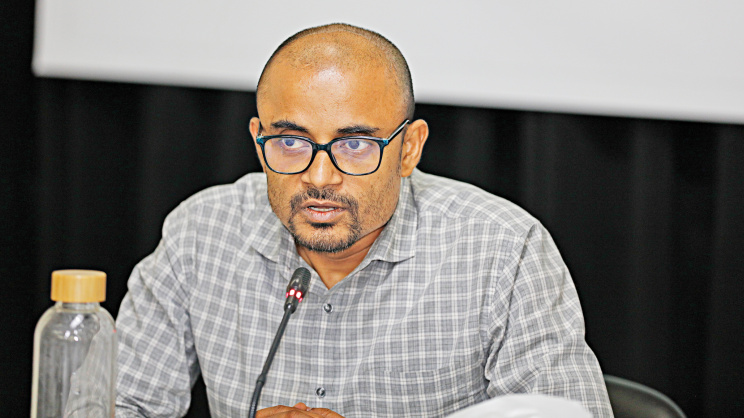
Nazmul Ahsan
Lead - Youth Resilience and Climate Justice
ActionAid Bangladesh
Green transition must address marginalised communities through a Triple-A standard: access to skills, technology, and finance. Digital, gender, and rural-urban divides persist across all dimensions, requiring deliberate ecosystem development from local levels.
Locally led adaptation transforms climate challenges into viable business cases, enabling communities to innovate whilst addressing economic vulnerabilities. Just transition demands that marginalised populations do not lose opportunities or fall into deeper vulnerability during transformation from extractive to renewable sectors.
Current skill-building programmes lack market orientation and fail converting knowledge into viable business cases. Market assessment remains critically absent, with entrepreneurs proceeding from hypothetical assumptions rather than feasibility analysis.
Incubation labs must begin at grassroots levels, bridging persistent policy-implementation gaps. National policies require translation into actionable business cases engaging young entrepreneurs.
Incentivisation through ecosystem support, mentorship, and market connections remains essential for inclusive participation. Local administrative bodies, businesses, government, and NGOs must collaborate on context-specific initiatives, ensuring green transition benefits reach all communities equitably.
Comments