


Beyond Books, Building Leaders
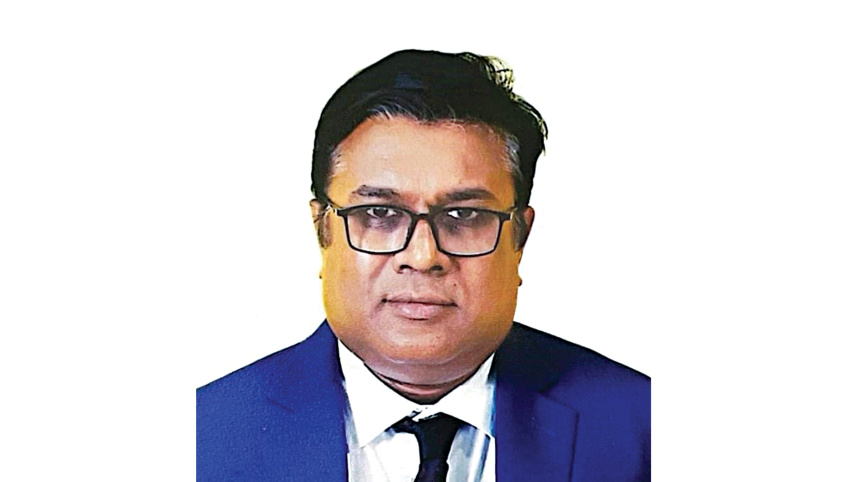
Prof. Dr Md. Anwarul Kabir
Principal Adviser to the Board of Trustees
Presidency University

“Our graduates have been able to attract employers in both private and public sectors. Many alumni work in the Bangladesh Civil Service and abroad, earning reputations for their Alma Mater through individual recognition by their employers.”
Empowering students through a unique blend of vision and values is the core mission of an institution in the heart of Dhaka. Here, education goes far beyond textbooks to ensure the holistic personal and professional growth of every individual. Presidency University serves as a transformative space where young minds are nurtured through critical thinking and analytical abilities, guided by an esteemed faculty and a strong administration dedicated to academic excellence.
The university offers 13 specialised programmes across seven departments, each meticulously designed to meet the evolving needs of the modern job market. A defining feature is the emphasis on experience-based learning, which allows students to collaborate directly with industry leaders through internships, live projects, and case studies. This immersive approach effectively diminishes the gap between theoretical knowledge and practical application, ensuring graduates remain competitive in any field they choose to pursue.
Professor Dr Md Anwarul Kabir, Principal Adviser to the Board of Trustees, emphasises that the institution places a high priority on developing essential soft skills. “To this end, the university makes a comprehensive plan every trimester, which essentially includes cultural programmes, industry-academic collaboration, career guidance, inter-university programming contests, and debate competitions,” he notes. This structured approach ensures that students are not just degree-holders but well-rounded professionals prepared for complex global challenges.
The physical environment of the campus reflects an understanding that learning happens everywhere—in laboratories where engineering students test theory against reality and in collaborative spaces where future business leaders and technologists interact. These facilities are more than cosmetic; they are a statement of intent, demonstrating how seriously the institution takes the future of its students. This vibrant campus life further promotes cross-cultural understanding, bringing together students from diverse backgrounds to exchange transformative ideas.
Career success is a primary outcome of this model. Through annual job fairs and career workshops, graduates have successfully attracted prestigious employers across both private and public sectors. Prof. Kabir highlights that a significant number of alumni have earned strong reputations in the Bangladesh Civil Service and abroad, bringing immense pride to their alma mater through individual recognition and professional integrity.
Believing that financial barriers should never hinder success, the university offers extensive scholarships ranging from 10% to 100%. These include merit-based aid, waivers for female and indigenous students, and support for those from underdeveloped areas. As the institution looks toward the future, it remains firm in its commitment to achieving excellence and shaping a brighter future through discovery and social responsibility.
 For all latest news, follow The Daily Star's Google News channel.
Comments