


Eat today, protect tomorrow

For decades, healthcare has often begun when something goes wrong: a troubling blood test, rising blood pressure or a diagnosis that changes everyday life. But a quieter idea is gaining importance; protecting health before illness gets the chance to take hold. And one of the simplest places to begin is the dinner plate.
Preventive nutrition is not about punishing diets, expensive powders or giving up every favourite food. It is about making balanced choices often enough to help the body stay stronger for longer. With obesity, type 2 diabetes, heart disease, high blood pressure and some cancers becoming increasingly common, everyday eating habits can play an important part in lowering future risk.

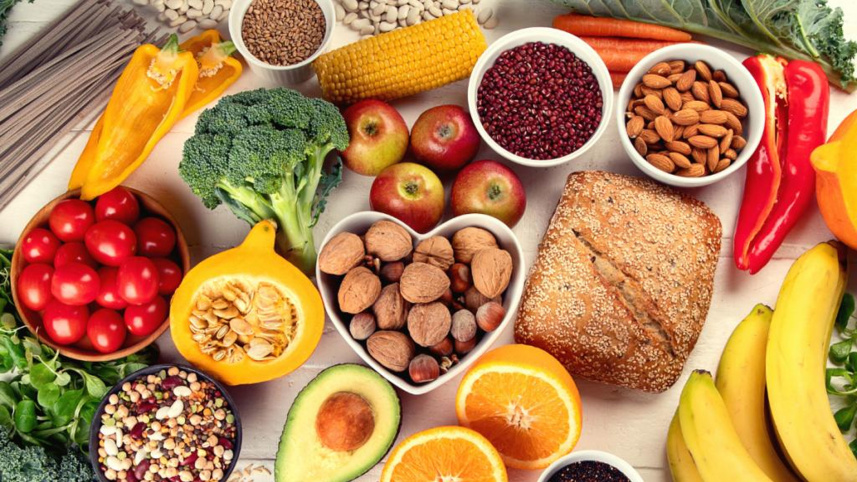
A healthy plate can be surprisingly straightforward. Aim to fill half with colourful vegetables and fruits. Reserve about a quarter for whole grains such as brown rice, oats or wholewheat foods, and the remaining quarter for fish, chicken, eggs, lentils, beans or tofu. Nuts and seeds can provide healthy fats, while water remains the simplest drink.
What we eat less often matters too. Sugary drinks, heavily processed foods, deep-fried meals, processed meats and foods loaded with salt can become regular habits. Cutting back does not demand perfection. Small, repeated changes swapping a sweet drink for water, adding vegetables to lunch or choosing fruit as a snack can accumulate into meaningful benefits.
Variety is another powerful ally. Fruits, vegetables, whole grains, fish, eggs, dairy, beans, nuts and seeds provide the body with different nutrients needed for digestion, energy, strong bones, the heart and brain. For most healthy people, a varied diet can provide what they need without depending heavily on supplements.
Food, however, cannot do all the work. Regular movement, seven to nine hours of sleep, managing stress, avoiding tobacco, maintaining a healthy weight and attending routine health checks strengthen the protective effect of better eating. The source recommends at least 150 minutes of moderate activity each week.
Healthy choices also need supportive surroundings. Schools, workplaces, health professionals, communities and governments can make nutritious food easier to understand, afford and access through education, sensible food policies and healthier meal programmes.
The most powerful prescription may therefore begin long before the pharmacy counter. Each balanced meal is a small investment in future wellbeing. Prevention is rarely dramatic, but its strength lies in repetition: what we put on our plates today can shape how well we live tomorrow.
Raisa Mehzabeen is the founder & CEO of Nutrition For Change. E-mail: raisameh20@gmail.com
 For all latest news, follow The Daily Star's Google News channel.
Comments