


Study points to the need for more effective TB screening strategies in people with HIV
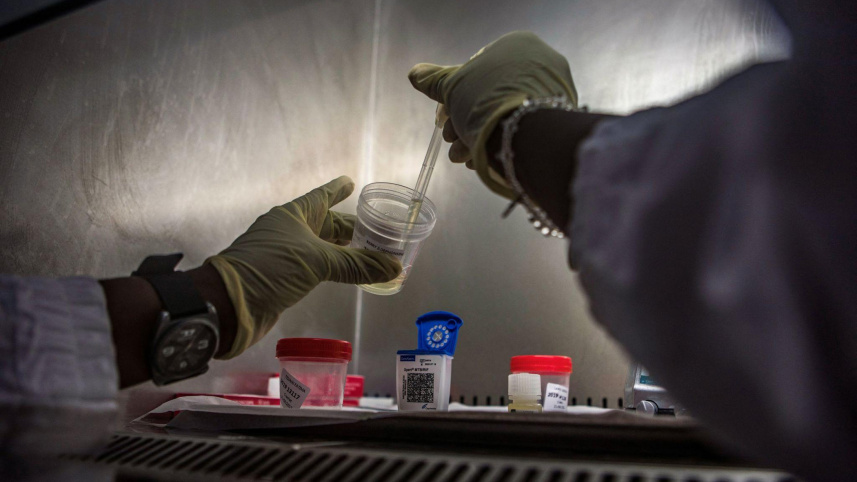
For people living with HIV, tuberculosis can be a silent and deadly companion. It may hide behind vague symptoms, and many patients struggle to cough up the mucus sample usually needed for testing. A trial has now asked a practical question: could testing easier samples, such as urine and stool, help hospitals find tuberculosis faster and save more lives?
The EXULTANT trial involved 1,172 adults with HIV admitted to 11 hospitals in Tanzania and Mozambique. Half received the usual testing, while the other half were offered broader screening using urine, stool and mucus samples, whether or not they showed tuberculosis symptoms.

The results were surprising. Broader testing did not lead to more patients with confirmed tuberculosis starting treatment within three days. The figures were 16.0 per cent in the expanded-testing group and 15.3 per cent with usual care. Deaths within eight weeks were also similar, at 25.8 per cent and 28.8 per cent.
Yet the study revealed a clue. Urine and stool were much easier to collect than mucus from the lungs. Only about half of participants could provide a mucus sample, while urine was obtained from nearly all patients in the expanded-testing group. A simple urine test already recommended for people with HIV also detected the largest share of confirmed cases.
Researchers found little reason to routinely add several extra tests when this urine test is available. However, stool or urine may be useful alternatives when a patient cannot produce mucus.
Another concern emerged: many people whose only positive result came from the simple urine test still did not begin tuberculosis treatment. This gap between finding disease and acting on the result deserves attention.
The message is clear: more testing is not automatically better. Hospitals need testing that is simple, trusted and linked quickly to treatment. In tuberculosis care, the test that works in everyday practice may matter more than the number of tests ordered for every patient.
 For all latest news, follow The Daily Star's Google News channel.
Comments