


The doctor who swallowed bacteria to prove medicine wrong

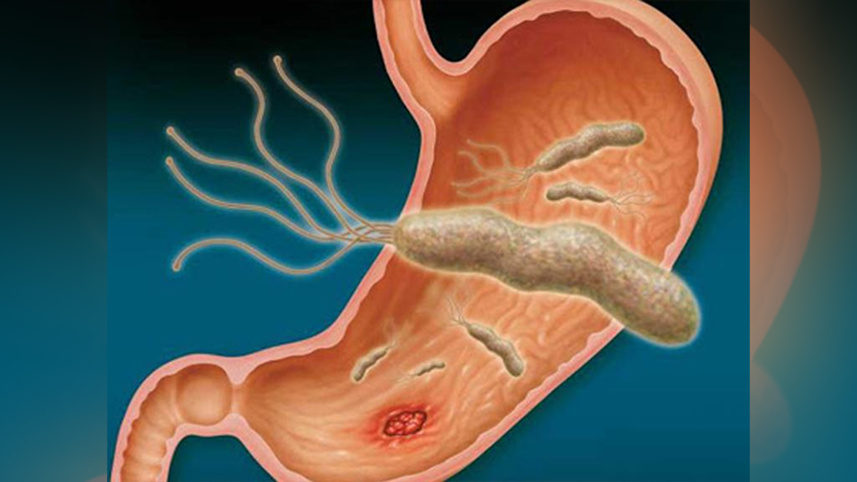
For decades, stomach ulcers came with a familiar list of suspects: stress, spicy food and too much stomach acid. Patients were given medicines to calm the acid, told to change their diets and often faced the frustrating return of painful symptoms. Then two Australian doctors challenged an idea that medicine had treated almost as fact.
In 1979, Dr Robin Warren noticed unusual spiral-shaped bacteria in stomach samples taken from patients with inflammation. At the time, many experts believed bacteria simply could not survive in the stomach’s harsh, acidic environment. Dr Barry Marshall saw something important in Warren’s observation. Together, they began asking whether these bacteria might actually be behind many ulcers.

Their idea was met with doubt. So Marshall took an extraordinary and by today’s standards, ethically unacceptable step. He drank a preparation containing the bacteria, later named *Helicobacter pylori*, effectively turning himself into an experiment.
Within days, Marshall became ill. He suffered nausea, vomiting and bad breath, and tests showed that his stomach had become inflamed and contained the bacteria. After taking antibiotics, he recovered. His dramatic self-experiment did not settle the question alone, but it helped strengthen a case that later studies firmly confirmed.
The discovery transformed ulcer care. Instead of only reducing stomach acid and waiting for symptoms to return, doctors could treat the bacterial cause with antibiotics alongside acid-reducing medicine. For many patients, an illness once viewed as long-lasting and repeatedly troublesome could now be cured.
The importance went far beyond ulcers. Research later showed that long-term infection with this bacterium can raise the risk of stomach cancer, although many infected people never develop ulcers or cancer.
The bacterium also proved remarkably common. One large review estimated that its worldwide presence fell from 58.2 per cent in 1980–90 to 43.1 per cent in 2011–22; still roughly four in ten people.
The breakthrough also changed a powerful commercial story. Medicines that controlled acid had become central to ulcer treatment, but the new evidence shifted attention from managing symptoms to removing a cause. It was a lesson in how firmly held beliefs can shape care for years and how careful observation, persistence and evidence can eventually rewrite what doctors think they know for patients.
In 2005, Marshall and Warren received the Nobel Prize for their discovery. Their story remains a striking reminder that medical progress sometimes begins with an uncomfortable question: what if the accepted explanation is wrong?
The writer is a 5th-year medical student. Email: mdsarn12012098@gmail.com
 For all latest news, follow The Daily Star's Google News channel.
Comments