


Where can women find safety?
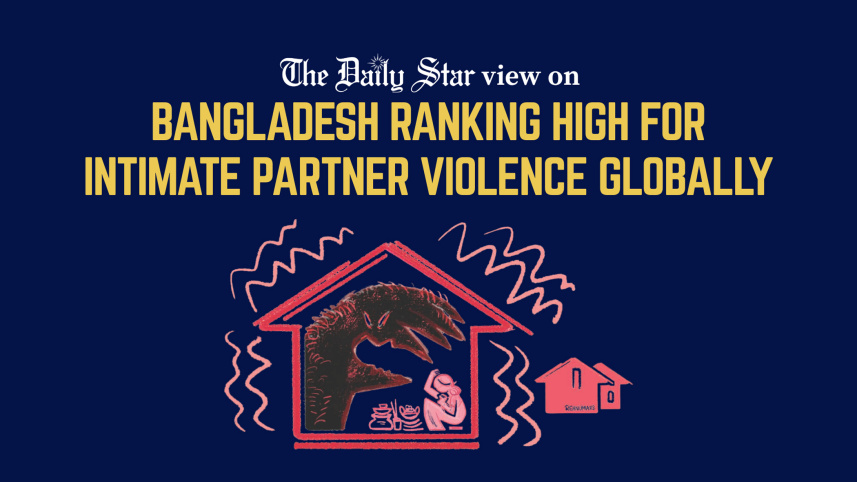
It is deeply concerning that Bangladesh’s women continue to remain among those worst affected by intimate partner violence. According to an analysis of global and national data, Bangladesh ranks 11th globally in the prevalence of physical and/or sexual violence against women by intimate partners; and second only to Afghanistan in South Asia. Nearly one in two women in the country have experienced such violence, according to recent World Health Organization data. Findings from the latest Violence Against Women Survey by the Bangladesh Bureau of Statistics (BBS) present an equally disturbing picture: 70 percent of women and girls aged 15 and above reported experiencing at least one form of intimate partner violence in their lifetime. These findings point to a widespread crisis that requires urgent state action.
Despite increasing public discussion on women’s rights and preventing violence against women, the situation on the ground has remained largely unchanged. According to a recent report by Prothom Alo, survivors reporting abuse by their husbands made an average of 51 calls a day, the highest in the past eight years. Also, a comparison of three national surveys by BBS conducted in 2011, 2015, and 2024 shows that violence by intimate partners remains far more common than violence by non‑partners, pointing to deeply rooted problems within families and our social structure. According to experts, intimate partner violence not only inflicts physical and psychological harm on women but also affects children’s wellbeing, perpetuating cycles of trauma and inequality across generations. Children growing up in violent households often carry emotional scars that shape their future relationships and behaviour.

The silence surrounding such abuse is also alarming. According to the latest BBS survey, 64 percent of survivors did not tell anyone about their experience, while only 7.4 percent sought legal action. The survey also found that domestic violence is more common in disaster-prone areas, which require particular attention from policymakers. Fear of social stigma, financial dependence, family pressure, and a lack of confidence in support systems continue to prevent many women from seeking help. Discriminatory family laws, unequal access to resources, deeply rooted gender norms, and controlling behaviour continue to create conditions in which such violence persists. This situation must change once and for all.
We urge the government to strengthen the enforcement of existing laws and address legal and institutional gaps that leave women vulnerable within their own families. Deeply rooted social attitudes and gender norms that normalise or justify abuse in relationships must be challenged through education and community engagement. Support services for survivors, including legal aid, shelters, counselling, and reporting mechanisms must become more accessible and effective. Violence within families cannot continue to be treated as a private matter. The state must ensure that women can live safely and with dignity in public and in their own homes.
 For all latest news, follow The Daily Star's Google News channel.
Comments