


Ferdous Steel probe answered how the workers died, but not why


After the deaths of 10 workers following toxic gas exposure on August 14 at Ferdous Steel Ship Recycling Industries in Sitakunda, Chattogram, an 11-member investigation committee was formed by the industries ministry. Last week, the committee shared its report identifying negligence by the yard owner, but accountability of government agencies, the consultants of the yards, and the certification bodies who certified the yard as “Green” has reportedly been overlooked.
Under the Ship Breaking and Recycling Rules, 2011, the Department of Explosives must issue “Safe for Man Entry” and “Gas Free for Hot Work” certificates before shipbreaking. Yet, it reportedly issued these clearances without inspecting the ballast tank where the accident happened. The Bangladesh Ship Recycling Board also failed to carry out its responsibility, which includes approving a list of trained workers for imported ships. Yet, only one of the five deceased labourers who went to work at the No. 3 ballast tank of the MT RASI on the fateful day reportedly had board approval. These failures raise serious questions about regulatory accountability and whether stronger oversight could have prevented the tragedy.

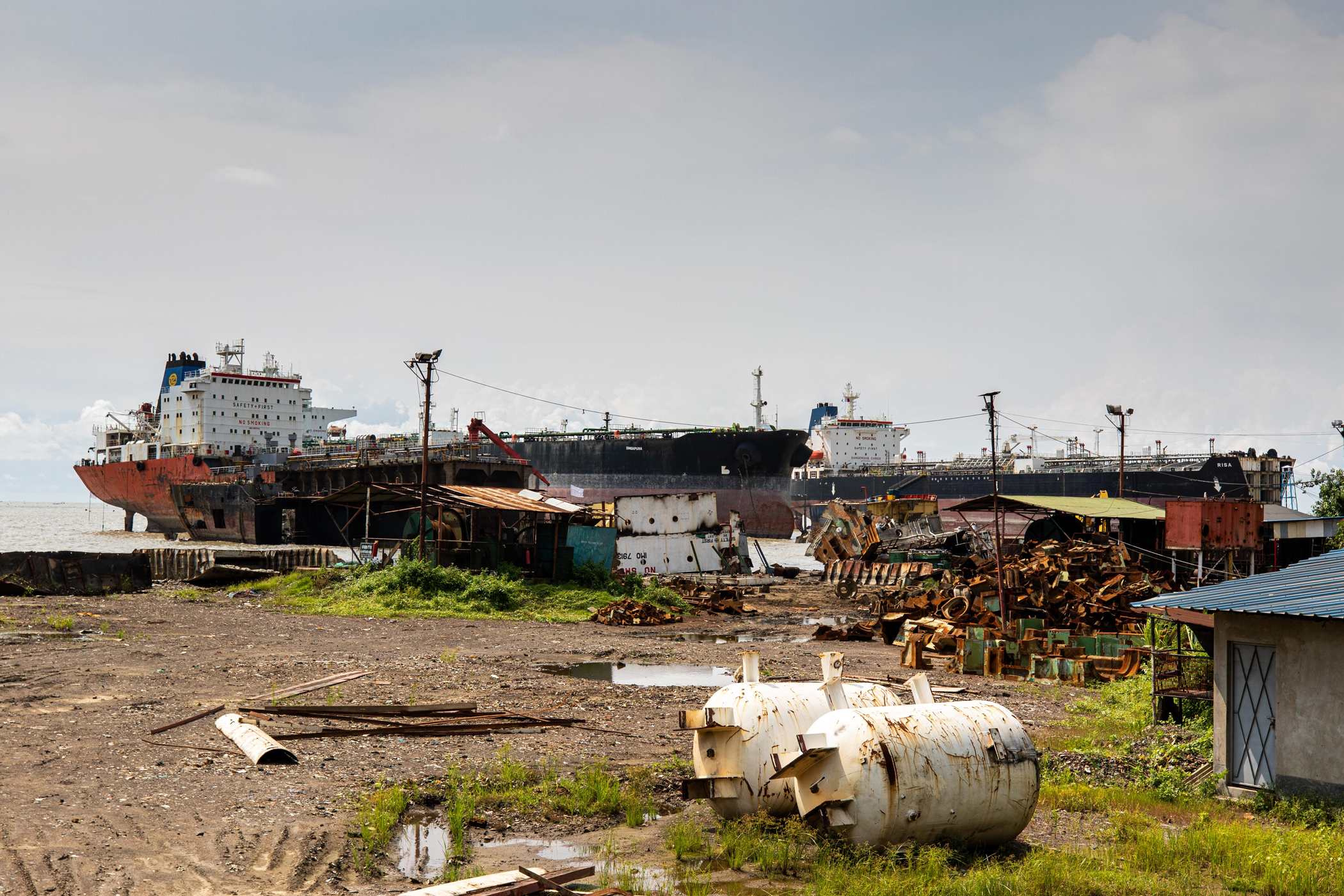
Serious accidents rarely result from a single failure. They occur when several safety barriers fail simultaneously or when a barrier that exists on paper proves ineffective in the workplace. The investigation into the Ferdous Steel tragedy exposed precisely this systemic vulnerability. It found that hydrogen sulphide, generated in stagnant water and sediment inside the tank, was released when workers pierced the tank to drain accumulated water before cutting the vessel, resulting in acute toxic exposure and oxygen deficiency. This explains how the workers died, but not why they were exposed to the gas in the first place. That distinction is at the heart of any meaningful investigation. So, it must go beyond the immediate cause and examine the chain of decisions and failed controls that allowed the exposure to occur.
A meaningful investigation established whether the tank was properly identified and assessed as a confined space and whether atmospheric testing was conducted immediately before work. It should determine who authorised the work and whether (i) continuous gas monitoring and adequate ventilation were required and maintained; (ii) the Permit-to-Work system was properly implemented; (iii) workers had the necessary training and competence; (iv) appropriate PPE was available and used; and (v) effective standby and emergency rescue arrangements were in place.
The investigations found that the gas-free certificate issued for MT RASI covered oxygen and lower explosive limit (LEL) levels but did not include hydrogen sulphide or carbon monoxide. More significantly, all tanks were reportedly marked acceptable without physical inspection. This exposes a fundamental weakness: documented compliance is not the same as operational safety. Besides, the Department of Explosives did not conduct gas testing of the ballast tank because the Petroleum Rules 2018 contained no specific provision requiring such testing—a regulatory blind spot that must be addressed.
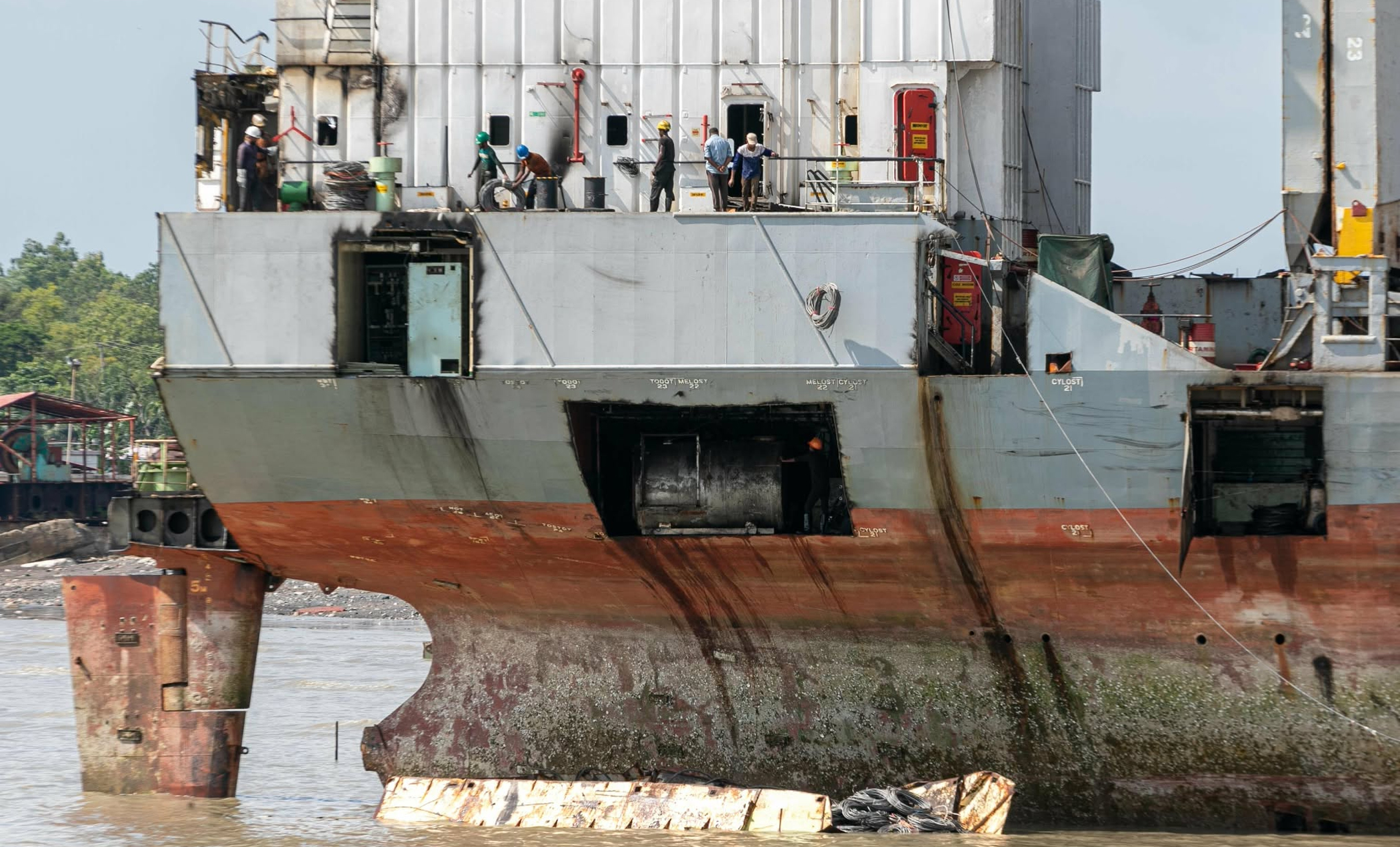
Ferdous Steel reportedly held a Hong Kong International Convention (HKC) compliance certification. Many in the country’s ship recycling industry do. But certification must not be treated as a one-time approval or a permanent guarantee of safety. The real test of certification is whether the required safety controls function in daily operations. Certification and verification agencies, together with relevant government authorities, must conduct meaningful and regular monitoring.
Agencies that certify ship recycling yards as “green” or HKC-compliant in Bangladesh should also be brought under the radar. A yard may have a written gas-testing procedure, but compliance requires evidence that testing was actually done before work began. It must be revealed whether these agencies were questioned about their regular monitoring of the yard and whether the certified safety measures were verified in practice and not merely confirmed through documents. Where serious non-compliance is established, corrective measures, follow-up inspections, suspension, or other regulatory action should follow. Otherwise, certification risks becoming a shield of paperwork rather than a safeguard for workers.
The credibility of an investigation also depends heavily on the independence and competence of the investigation team. Anyone directly involved in the safety assessment, certification, environmental compliance, or consultancy of the concerned yard should be carefully assessed for potential conflict of interest before being included in the probe team. Similarly, the role of the yard’s consultants and the safety systems—Ship Recycling Plan (SRP)—they prescribed should be examined. In particular, the failure of the SRP to prevent the accident demands scrutiny. If an SRP existed but failed to identify or control the hazard, the investigation should establish why it failed and whether the system itself was adequate.
The investigation has reportedly recommended mandatory inspection of ballast tanks, testing of ballast water and sediment, digital ballast-water exchange records, and declarations from shipowners and cash buyers regarding tanks and their contents before vessels enter Bangladesh. These are important measures. However, every recommendation must be translated into an enforceable system with a responsible institution, a deadline, measurable indicators, monitoring arrangements and consequences for non-compliance.
Bangladesh has experienced serious ship recycling accidents before, and previous investigations have recommended improvements in gas testing, worker training, emergency response and supervision. It is necessary to determine whether those recommendations were implemented. The concerned ministries and departments must strengthen oversight of the implementation of investigation recommendations. Otherwise, investigation reports risk becoming historical records of tragedy rather than instruments of prevention.
The final and full investigation reports should also be made publicly accessible as far as legally and practically possible. Workers, their families, regulators, civil society, researchers, media and other ship recycling yards have a legitimate interest in understanding what went wrong and learning from it. A meaningful investigation into the Ferdous Steel tragedy must establish not just what happened but why it happened, which safety barriers failed, why those failures were not detected earlier, and what must change to prevent recurrence.
Muhammed Ali Shahin is a ship recycling analyst involved with Young Power in Social Action (YPSA). He can be reached at shahin@ypsa.org.
Views expressed in this article are the author's own.
Follow The Daily Star Opinion on Facebook for the latest opinions, commentaries, and analyses by experts and professionals. To contribute your article or letter to The Daily Star Opinion, see our guidelines for submission.
 For all latest news, follow The Daily Star's Google News channel.
Comments