


Furniture for a changing way of life
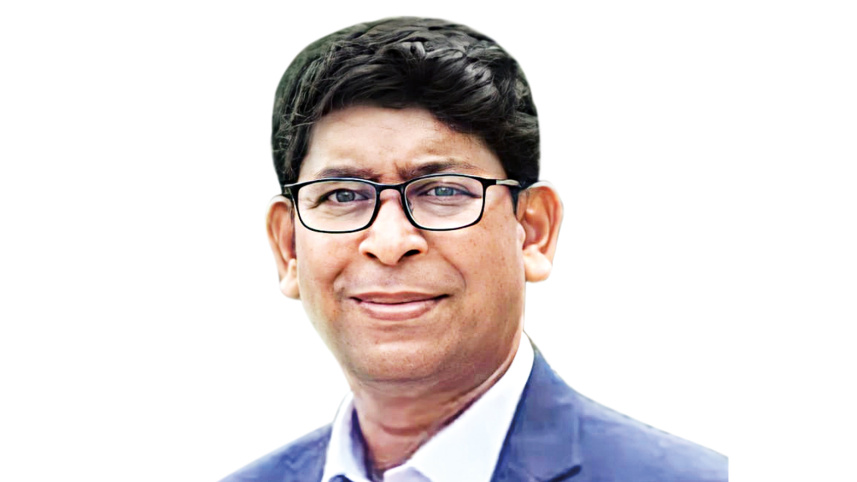
R N Paul
Managing Director, RFL Group

“The next decade gives Bangladesh an opportunity to move beyond manufacturing and earn recognition for design, quality and capability.”
Bangladesh’s furniture market has shifted from carpenter-led production towards branded, technology-driven manufacturing, while smaller homes and changing lifestyles are reshaping demand. R N Paul, Managing Director of RFL Group, discusses Regal’s growth, investment priorities and the industry’s export potential in a conversation with The Daily Star.
The Daily Star (TDS): How has Bangladesh’s furniture industry evolved, and how has Regal responded?
R N Paul (RNP): Over the last 25 years, the industry has moved from a largely unorganised, carpenter-based market towards a more organised, design-conscious and technology-driven sector. Consumers now look beyond durability to design, functionality, space utilisation, service and value. Since 2013, Regal has focused on making modern, quality furniture accessible across Bangladesh by building manufacturing capabilities, expanding its nationwide presence and diversifying into home, office and décor categories. Our experience shows that sustained growth requires balancing design, quality, affordability and availability.
TDS: What investments are supporting growth, and how are changing consumer preferences shaping production?
RNP: We are investing in CNC machinery, automation, digital product development and data-driven production planning. 3D modelling improves designs before production, while automation supports consistent finishing, precision edging, quality assurance and efficiency at scale. Consumers are increasingly seeking compact dining solutions, multifunctional furniture and modular designs suited to urban living. Engineered wood, metal and mixed materials are also gaining acceptance, so we continue to refine the portfolio around design, functionality and value. Our long-term goal is an integrated manufacturing ecosystem that supports both scale and innovation.
TDS: What progress has Regal made internationally, and where does Bangladesh hold an advantage?
RNP: Regal has entered markets including the USA, Canada, Nepal, India, the Philippines and Burkina Faso. That experience has helped us understand international requirements. Bangladesh has strong potential in modular, knock-down and space-efficient furniture, provided manufacturers strengthen design, compliance, certification and quality consistency.
TDS: What opportunities and challenges will shape the industry’s next phase?
RNP: Urbanisation, smaller homes, changing lifestyles, digital commerce and exports offer substantial opportunities. However, raw-material dependency, exchange-rate volatility, inflation and rising consumer expectations remain major challenges. Regal aims to respond through stronger design, modern manufacturing and wider consumer access. The next decade gives Bangladesh an opportunity to move beyond manufacturing and earn recognition for design, quality and capability.
TDS: What policy support would make the sector more competitive?
RNP: Easier access to competitively priced raw materials, support for advanced machinery, stronger certification and testing facilities, skilled-manpower development and improved international market access would help. As companies invest in technology, capacity and exports, supportive policies can accelerate the industry’s growth.
 For all latest news, follow The Daily Star's Google News channel.
Comments