


Where global design meets Bangladesh ISHO
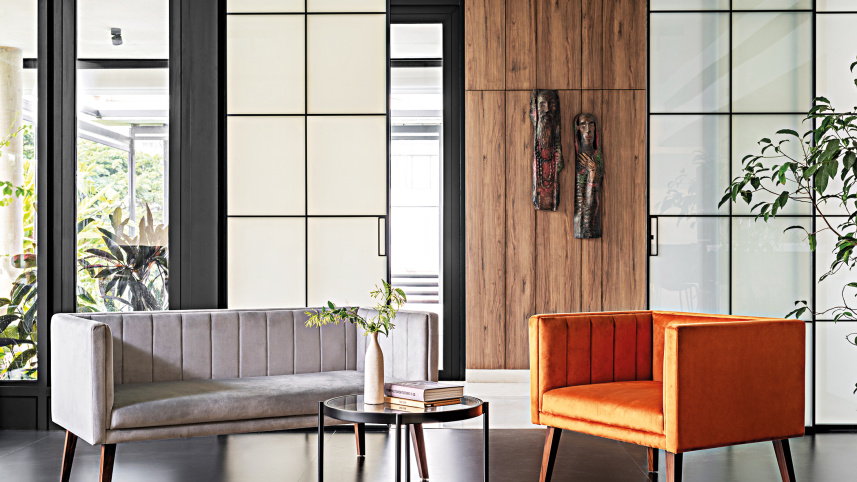
For decades, furniture in Bangladesh was often divided into two choices: locally made products that were accessible but conventional, or imported furniture with contemporary design at a much higher price. ISHO was created to fill the space between them. Its founding idea was simple: Bangladeshi consumers should be able to access furniture with global aesthetics and standards while still reflecting the dimensions, habits and realities of life in Bangladesh.
ISHO calls this its “glocal” philosophy: global in outlook, local in understanding.

The world as a design library
ISHO’s collections take inspiration from international cities and culturally significant neighbourhoods, including Copenhagen’s Vesterbro and Indre By, Milan’s Brera and Navigli, New York’s SoHo and Bushwick, and German design centre Dessau.
Vesterbro reflects Copenhagen’s relaxed Scandinavian minimalism through clean forms and warm finishes. Brera draws on Milan’s connection with art and fashion, while SoHo and Bushwick reference New York’s energy and industrial character.
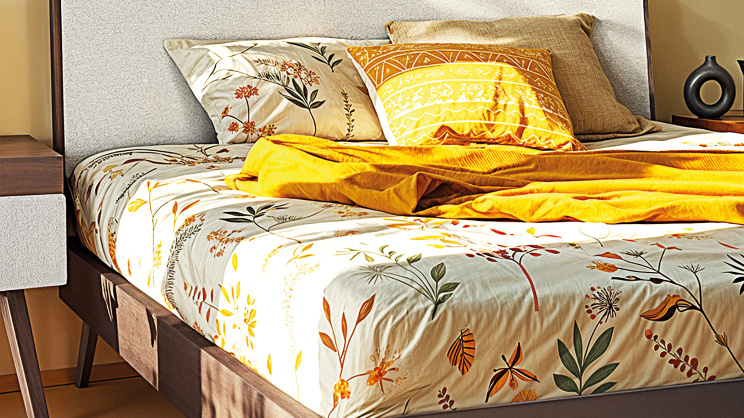
The aim is not to reproduce foreign aesthetics exactly. ISHO studies what makes each design culture distinctive, from materials and proportions to colour, architecture and attitude, and then reinterprets those ideas for Bangladesh.
A sofa admired in Copenhagen may be too large for a Dhaka apartment. A European dining table may not suit how Bangladeshi families gather and entertain. Storage needs, climate, maintenance, movement within a room and the importance of multigenerational living all shape the final product.
Global design made for Bangladesh
This translation process distinguishes ISHO’s design approach. Its language is minimalist, modern and functional, but not minimalism for its own sake. Furniture must work within increasingly compact urban homes, remain practical for family life and adapt as needs change. That can mean reducing a table’s footprint, incorporating storage, creating modular systems or choosing finishes better suited to Bangladesh’s climate and usage patterns.
Local production also helps make the designs more accessible. Instead of importing the cost structure of an international brand, ISHO combines global design research with Bangladeshi manufacturing capabilities, materials and craftsmanship. The result is furniture that looks international, performs to international expectations and remains accessible locally.
Growth built through design
Conceptualised in 2019, ISHO has grown from a single contemporary furniture concept into a broader design ecosystem in less than a decade. Its catalogue now includes more than 4,500 items across 45 categories, covering residential furniture, office solutions, lighting, textiles, accessories and homeware. Alongside its digital platform, the company has built a growing physical retail presence and established itself as Bangladesh’s leading online furniture brand.
ISHO is also ISO 9001:2015 certified, supporting its design promise through structured quality management, standardised production, material controls and quality checks. This means “made in Bangladesh” can represent consistency as well as creativity.
Three brands, three philosophies
The evolution of ISHO has produced three complementary brands: ONNO, ISHO and Fico. While they share design and manufacturing expertise, each serves a distinct customer and price position.
ONNO is the mass market proposition, built around affordability, familiarity and nationwide relevance. Its products focus on essential furniture such as beds, dining sets, sofas and storage for families furnishing their first homes or upgrading within a defined budget. Its ambition is to show that mass market furniture does not have to be generic or poorly considered.
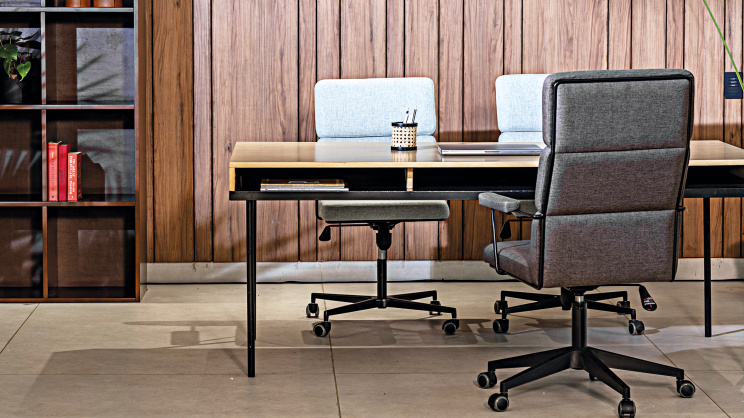
ISHO sits at the centre of the portfolio. Contemporary, design led and aspirational, it targets Bangladesh’s growing urban middle and upper middle market. Its philosophy is glocal by design: studying the world, manufacturing locally and adapting ideas to the way Bangladesh lives. It balances visual distinction with function, durability and value, offering a distinctly Bangladeshi interpretation of international living.
Fico represents the portfolio’s most elevated and globally oriented expression. Created for the international luxury market, it is more sculptural, collectible and materially expressive. Its design language combines contemporary European sensibilities with Bangladeshi craftsmanship, heritage, warmth and playfulness.
In April 2025, Fico made its international debut during Milan Design Week at the MoscaPartners Variations exhibition at Palazzo Litta. The launch placed a Bangladeshi design brand in a major global design environment and attracted international design attention.
A bridge between two worlds
 For all latest news, follow The Daily Star's Google News channel.
 Together, the three brands create a clear spectrum. ONNO makes considered design available to the mass market. ISHO translates global living for contemporary Bangladesh. Fico presents Bangladeshi luxury design to an international audience.
The larger significance of ISHO’s growth lies beyond furniture sales or store expansion. It is building a design infrastructure that serves different customers without forcing them into the same aesthetic or price bracket. Bangladesh already possesses manufacturing knowledge, material intelligence and skilled craftspeople. ISHO’s role is to connect those capabilities with contemporary design thinking, structured quality systems and a deeper understanding of how people live.
That makes ISHO a design bridge: bringing the world into Bangladeshi homes while giving Bangladeshi design a credible place in the world.
Comments