


Which Wood Works Best for Your Furniture?
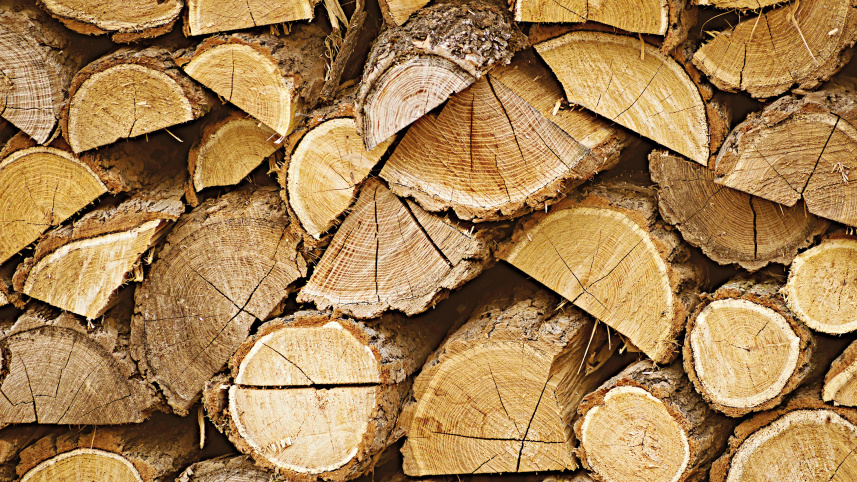
Wooden furniture remains a staple in Bangladeshi homes, where a teak bed, mahogany dining table or gamari bookshelf often becomes part of a family’s household for years. But choosing the right timber is not simply about price or appearance. Bangladesh’s heat, humidity and long monsoon season can put considerable pressure on furniture, making the quality, seasoning and finishing of wood as important as the species itself.
Teak (Shegun): The Premium Long-Term Investment

Teak, or shegun, remains one of the country’s most sought-after furniture woods. Known for its strength, durability and natural resistance to moisture and decay, teak is particularly suitable for beds, dining tables, wardrobes and cabinets. Its dimensional stability helps furniture withstand years of use, while its golden-brown colour and distinctive grain add to its appeal. The higher price, however, makes teak a long-term investment rather than an economical choice for every household.
Mahogany: A Practical Balance of Cost and Quality
Mahogany offers a more practical balance between durability, appearance and cost. Widely used for beds, wardrobes, dressing tables, bookshelves and dining furniture, properly seasoned mahogany can provide years of service. However, poorly seasoned timber may shrink, warp or develop cracks as its moisture content changes.
Gamari: Lightweight and Easy to Rearrange
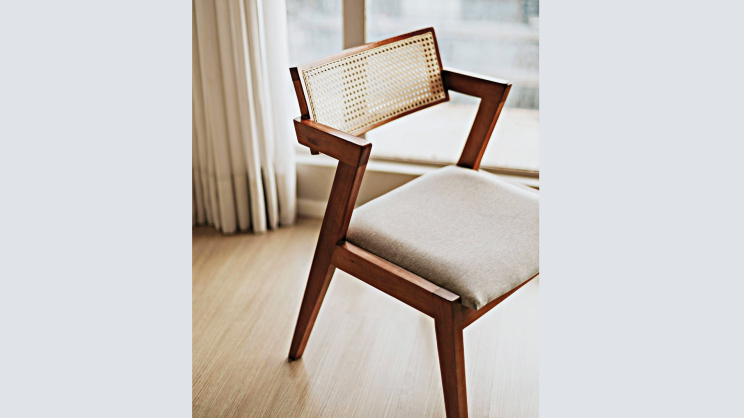
Gamari, or Gmelina arborea, is another popular local timber. Relatively light and easy to work with, it is commonly used for furniture, cabinets and indoor joinery. Its lighter weight can make it convenient for households that frequently move or rearrange furniture. As with mahogany, proper seasoning is essential to prevent later deformation.
Garjan: Strong, Sturdy, and Budget-Friendly
Garjan is valued for its strength and hardness and is used in furniture, doors and construction-related applications. It can be suitable for sturdy beds, tables and frames, provided the timber is properly treated and prepared. It’s a good, affordable option as well.
Imported Woods: Oak, Maple, and Acclimatisation
Imported woods such as oak and maple are also increasingly visible in the furniture market. While both are internationally valued for their strength and appearance. In Bangladesh’s climate, moisture content, acclimatisation, construction and finishing can determine performance as much as the species itself.
Engineered Wood: Affordable Modern Alternatives
Meanwhile, engineered wood such as plywood, MDF and particleboard has become common in wardrobes, kitchen cabinets, office furniture and modular storage. These materials can offer affordability and dimensional consistency, but their resistance to moisture varies. Exposed edges of standard MDF or particleboard can be particularly vulnerable during the monsoon.
Ultimately, the name of the wood is only part of the equation. Buyers should ask whether the timber is properly seasoned, whether the furniture is solid wood or veneer, what material has been used for hidden frames and how well the piece has been sealed against moisture.
Choosing the Right Timber for Your Needs
For a long-term heirloom, teak may justify its price. For everyday furniture, well-seasoned mahogany can offer a sensible compromise, while gamari suits lighter indoor pieces and treated garjan can provide strength. In Bangladesh, the best furniture is not necessarily made from the most expensive wood, but from timber that is properly seasoned, carefully constructed and suited to the job.
 For all latest news, follow The Daily Star's Google News channel.
Comments