


Balancing medical leadership and motherhood
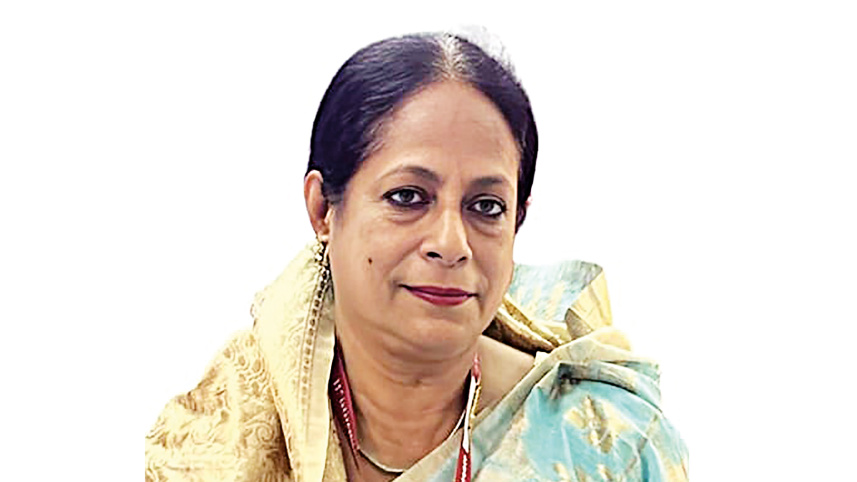
Prof. Dr Salma Rouf
Immediate Past Secretary General
Obstrectical & Gynaecological Society Of Bangladesh (OGSB)
Professor and Ex. Head Department of Obstetrics & Gynaecology
Dhaka Medical College & Hospital

From the beginning, I was very clear about my decisions, and neither my family nor anyone ever let me feel guilty. My family offered me understanding, and in return, I also prioritised them.
Professor Dr Salma Rouf, the Immediate Past Secretary General of OGSB, reflected on her stellar career while sharing intimate anecdotes of her journey as a mother. Navigating the delicate balance between high-stakes clinical emergencies and the quiet responsibilities of home life, she offers a unique perspective on the intersection of professional excellence and maternal devotion.
The Daily Star (TDS): What initially drew you to the field of Obstetrics and Gynaecology, and how has your professional mission evolved from being a young doctor to now being a mother and a leader at OGSB?
Dr Salma Rouf (SR): My inspiration to become a doctor was solely driven by my father. After that, during my internship period, I felt a strong urge to pursue gynaecology; the spark of helping a new life be born touched me deeply.
I was always determined to build my career, but for that, I didn't compromise family life. This was challenging, both intersected in many places, but over time, I learned to adapt.
TDS: How has the experience of motherhood shaped your bedside manner and the way you counsel women navigating the anxieties of childbirth or high-risk pregnancies?
SR: Firstly, I accept that I came from a privileged group; not every woman in Bangladesh has this facility. From my experience, I try to understand their struggle and always encourage them to embrace motherhood as a blessing, not as a weakness. I try to empower them by slowly making them accept the transition to motherhood proudly.
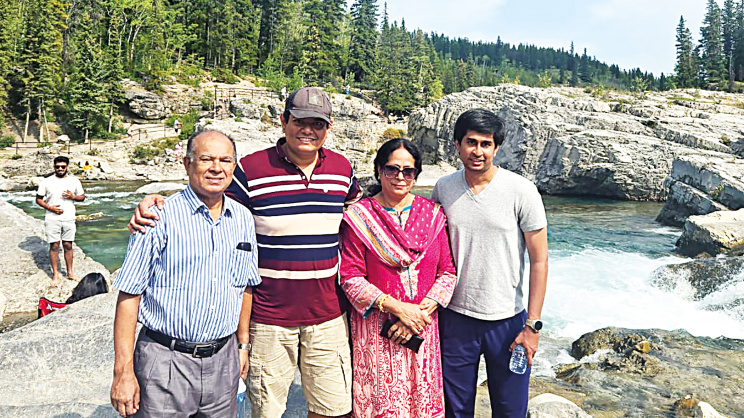
TDS: What is your daily strategy for transitioning from the hospital environment to being "Mom" at home?
SR: I have actually always tried to move in an organised way and given each sector of my life the due importance. From the very beginning, I tried to give time to professional commitment, household responsibilities and also to upgrading my knowledge simultaneously. I have tuned up my kids and family according to my job nature.
TDS: Can you share a specific instance where your "mother’s intuition" or personal experience helped you navigate a professional crisis?
SR: Actually, life is such that you are bound to use your learning and experiences of one setup in a completely different setup according to need. With the word professional it comes automatically. We develop an intuition that helps us navigate difficult situations; obviously, motherhood and other professional expertise blend in here.
TDS: As a woman leader in Bangladesh's maternal health sector, how are you using your position at OGSB to innovate healthcare standards and ensure "Safer Motherhood" for women across the country?
SR: Mainly, I'm using my position from a policy maker perspective to empower the women of this country. OGSB is one of the most important and largest societies among all our professional societies here. Here we have an opportunity to work collaboratively with the government. In the context of Bangladesh, our own research is very important to empower our country's healthcare sector; we focus on doing that. We work on reducing childbirth mortality and improve mother healthcare by upgrading our knowledge continuously. We try to spread the mission among our juniors too.
TDS: In your view, how does the work of OGSB and OB-GYN specialists contribute to the broader empowerment of women and the health of Bangladesh’s future generations?
SR: The work of OGSB and OB-GYN specialists contributes multidimensionally to empowering women's healthcare. While OGSB works at the policy level, the doctors dedicate themselves to the field to improve the situation. We are working collaboratively to enlighten women about their healthcare rights.
Interview conducted by Samia Chowdhury
 For all latest news, follow The Daily Star's Google News channel.
Comments