


Caring for Mothers Beyond medicine

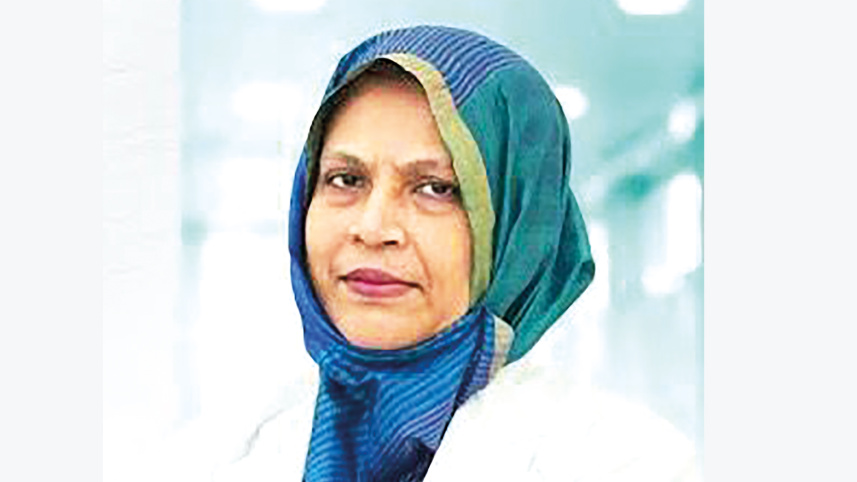
Prof. Dr Samsad Jahan Shelly
Professor and Head of the Department of Obstetrics and Gynaecology
United Medical Hospital

This profession requires dedication beyond fixed hours, as emergencies can arise at any time. Balance is only possible with family support.
As Bangladesh continues to address gaps in maternal healthcare, the role of experienced obstetricians remains central to improving awareness and quality of care. Prof. Dr Samsad Jahan Shelly shares her journey, the realities of maternal care, and the responsibility of being both a doctor and a mother.
The Daily Star (TDS): What inspired you to specialise in Obstetrics & Gynaecology, a field so closely tied to motherhood and women’s health?
Dr Samsad Jahan Shelly (SJS): I have always felt that mothers in our society are often neglected, even though they are central to the family. Many women prioritise everyone else before themselves, whether it is food, rest, or healthcare. This imbalance affects not only them but also future generations. I initially wanted to pursue surgery, but over time I realised that gynaecology would allow me to work closely with women and address both visible and hidden health issues. It allowed me to support mothers more directly.
TDS: How has becoming a mother influenced your perspective when caring for patients?
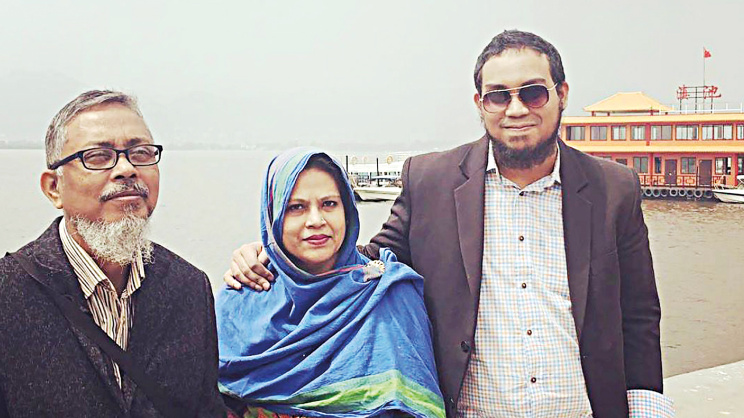
SJS: Being a mother has deepened my understanding of my patients. At the same time, balancing a demanding profession with family life requires strong support. I was fortunate to receive encouragement from my parents and my husband, who ensured I could continue my studies and career. That experience helps me guide patients, as I understand their struggles from both personal and professional perspectives.
TDS: You witness both the joy and risks of childbirth—how do you navigate this emotionally?
SJS: Childbirth is a joyful experience, but it comes with risks, especially when factors like age, obesity, or conditions such as diabetes and hypertension are involved. I focus on early counselling—encouraging women to plan pregnancies at the right time and take preventive measures. Awareness can significantly reduce complications, and my role is to ensure patients are prepared both emotionally and medically.
TDS: How do you build trust with patients, especially first-time mothers?
SJS: Trust begins with listening. Many women cannot express their concerns within their families, but they open up in a clinical setting. I often spend time understanding their situation and provide counselling not only to the patient but also to family members. Without a supportive environment at home, proper care becomes difficult.
TDS: As a woman in healthcare, how do female doctors impact maternal care in Bangladesh?
SJS: Female doctors often bring empathy and understanding that is essential in this field. Women feel more comfortable sharing sensitive issues with another woman. The increasing number of female doctors is a positive change, as it improves access and comfort for patients. Educating women and making them independent is also crucial for long-term progress.
TDS: How are you contributing to improving maternal healthcare standards?
SJS: I have worked on training initiatives, particularly for doctors in underserved areas. During my time at BIRDEM, I introduced diploma programmes to train doctors who could not pursue long-term courses. I have also been involved in promoting laparoscopic surgery through workshops across the country, helping doctors adopt safer and more efficient techniques.
TDS: What message would you give to young women aspiring to join this field?
SJS: Focus on learning, not earning. Dedication and honesty are essential. Do not chase money; rather, prioritise patient care. If you remain committed to your work, success will follow.
TDS: What does Mother’s Day mean to you?
SJS: Mother’s Day should not be limited to a single day. Mothers should be valued every day for their sacrifices and contributions. Respecting and caring for them consistently is what truly matters.
Interview conducted by Farhan Musfique
 For all latest news, follow The Daily Star's Google News channel.
Comments