


Learning true meaning of life in medicine and motherhood
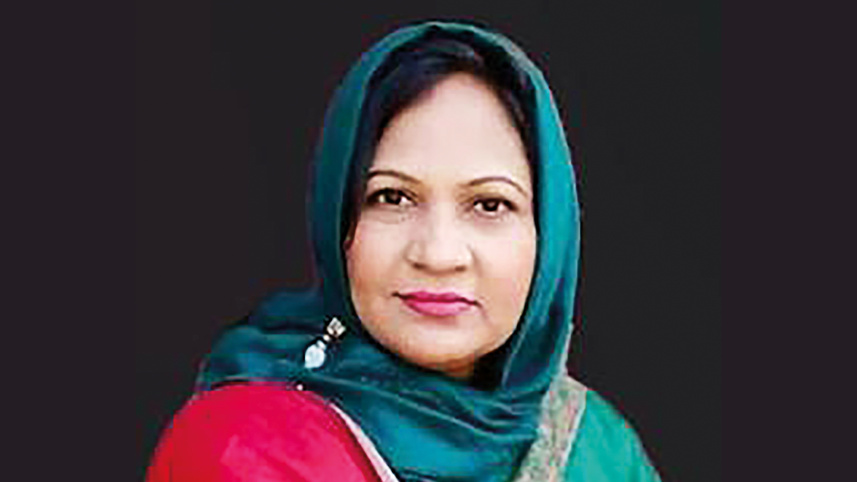
Dr Khandaker Shehneela Tasmin
Associate Professor & Unit Head
Fetomaternal Medicine Department of Obstetrics and Gynecology
Shaheed Suhrawardy Medical College & Hospital
International Affairs Secretary (MFMSB-Bangladesh)

Balancing these roles is never easy. Moving between intense work and family life, I remind myself that it’s not only about the amount of time I spend with my children, but the values I instill: responsibility, leadership, and humanity.
Specialising in high-risk pregnancies, Dr Khandaker Shehneela Tasmin balances the rigorous demands of fetomaternal medicine with the dedication of motherhood. She supports women to navigate the most unpredictable turns of pregnancy and life.
The Daily Star (TDS): What initially drew you to the field of Reproductive Endocrinology and Infertility (REI), and how has your professional mission evolved since experiencing motherhood yourself?
Dr Khandaker Shehneela Tasmin(KST): During medical school and my internship, I became deeply aware of the unique challenges surrounding pregnancy. Motherhood is often beautiful, but it can also take sudden, unpredictable turns; where immense joy and grave uncertainty coexist. In those vulnerable moments, mothers need strong support. That understanding inspired me to choose this field. I wanted to stand beside women during their most critical moments through anxiety, complications, and ultimately, the safe arrival of their child. As a mother of a daughter and a son, my professional and personal lives are deeply interconnected.
TDS: How has being a mother changed the way you communicate with your patients?
KST: Being a mother has completely transformed how I see and communicate with my patients. I never view them as mere cases. they are resilient women, often navigating fear, uncertainty, and hope all at once. Motherhood has given me a deeper emotional understanding. I can relate to their anxieties, their strength, and their sacrifices.
TDS: How do you handle the “mom guilt” when a 2:00 AM a medical emergency takes you away from your family?
KST: One particularly difficult period came when my daughter was preparing for her intermediate examinations and university admissions. I was suddenly transferred to Mymensingh. Every day, I had to commute from Dhaka to Mymensingh, attend to patients, return home, support my family, and maintain my private practice. My day would begin at 5 am and often end at midnight. Perhaps it was my lifelong commitment to medicine that helped me endure.
Interview conducted by Marzia Bhuiya Tabenda
 For all latest news, follow The Daily Star's Google News channel.
Comments