


A promise for safer birth From one mother to another

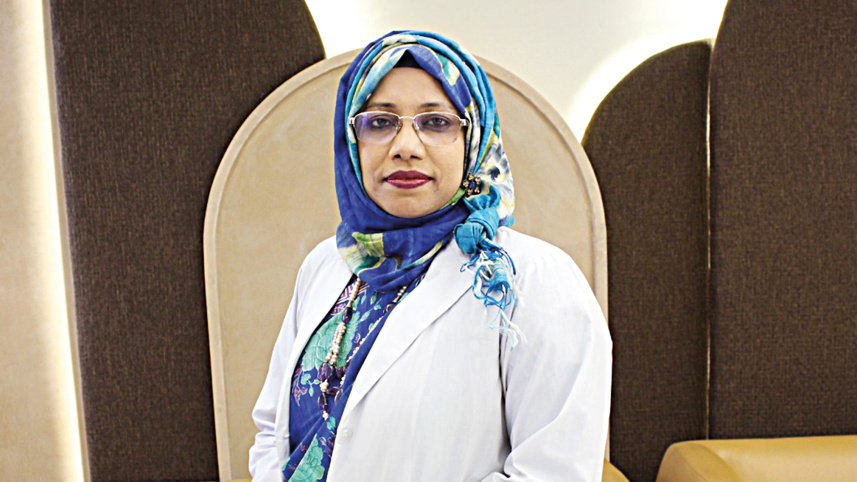
Dr Arifa Sharmin Maya
Assistant Professor
Fetomaternal Medicine
Department of Obstetrics and Gynecology
Dhaka Medical College.

After heart failure and days in the CCU, I learned the preciousness of every moment. That second chance motivates me to help other mothers get theirs too.
In the sterile, high-pressure corridors of Dhaka Medical College, Dr Arifa Sharmin Maya is a name of hope for mothers in crisis. Even with late-night emergencies and the guilt of being a busy mom, she keeps moving forward to save the mothers in high risk.
The Daily Star (TDS): What initially drew you to the field of OBGYN, and how has your professional mission evolved since experiencing motherhood yourself?
Dr Arifa Sharmin Maya (ASM): It wasn’t family pressure that made me a doctor; it was my own desire to serve the country. From a young age, I was involved in cultural and medical clubs, and my teachers always wanted to see me as a doctor. My mission evolved significantly after I became a mother and personally survived a life-threatening heart failure following my daughter’s birth. Now, my goal is to save other mothers from complications like pre-eclampsia.
TDS: How has being a mother changed the way you communicate with your patients,?
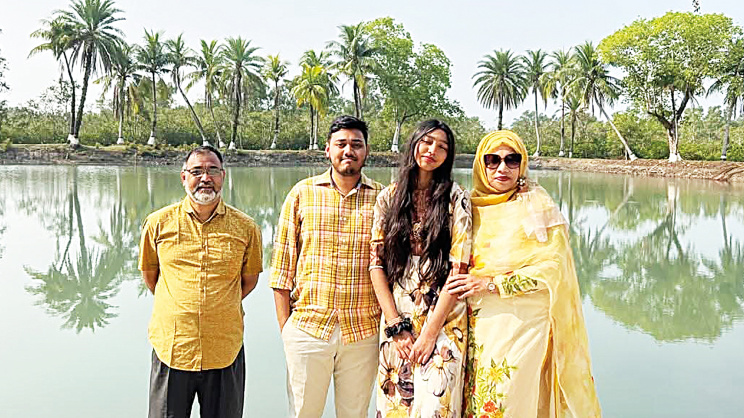
ASM: Being a mother allows me to connect with my patients on a deeper level. I often tell them, ‘I am a mother too, and you are a mother.’ I don’t see them just as cases; I feel their struggles as if they were my own. I stay in constant touch with my high-risk patients.
TDS: As a woman leader in women’s health, how are you working to improve maternal healthcare standards or innovate within your department?
ASM: I am constantly advocating for better logistics and manpower. In our department, we receive the most complicated cases in the country, yet we often lack enough Operation Theatres and specialised feto-maternal ICU beds. My goal is to help our nation reach the SDG target of reducing maternal mortality to 70 per 100,000 by 2030.”
TDS: How do you handle the “mom guilt” when a 2:00 AM medical emergency takes you away from your family, and what have you taught your children about the importance of your work?
ASM: I have dealt with a lot of ‘mom guilt.’ Once, when my son was older, he told me I didn’t understand his struggles because I wasn’t there during his school years, which hurt deeply. However, I’ve taught my children that my work is a duty to other mothers. I am grateful that they have been supportive and haven’t become aggressive about my absence.
Interview conducted by Adrin Sarwar
 For all latest news, follow The Daily Star's Google News channel.
Comments