


Urgent reforms vital for a trillion-dollar economy


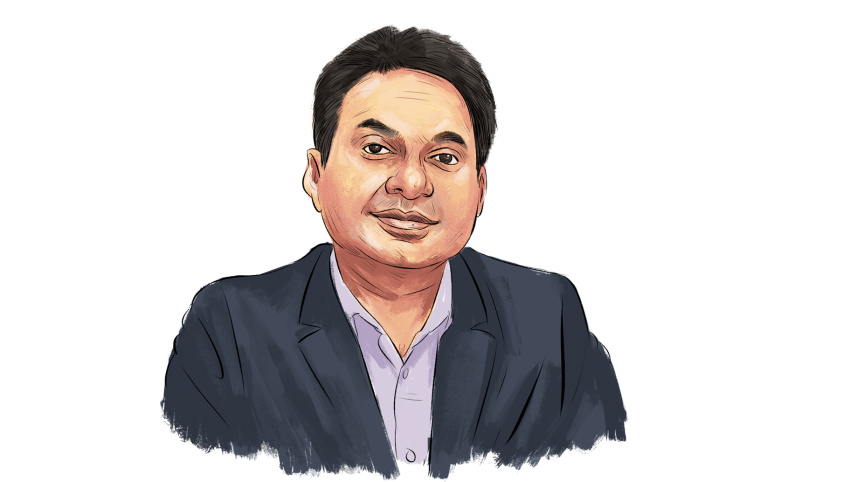
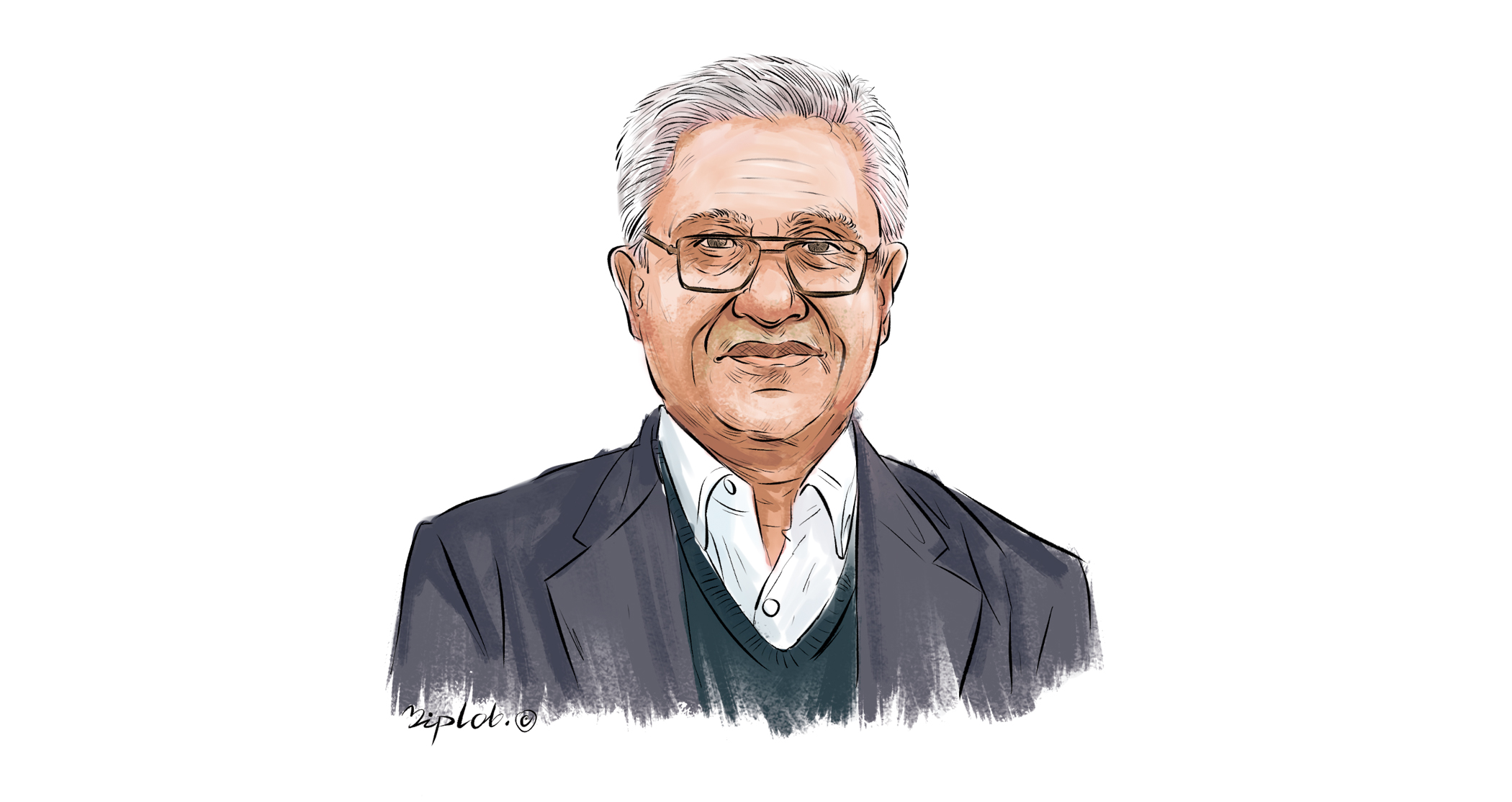
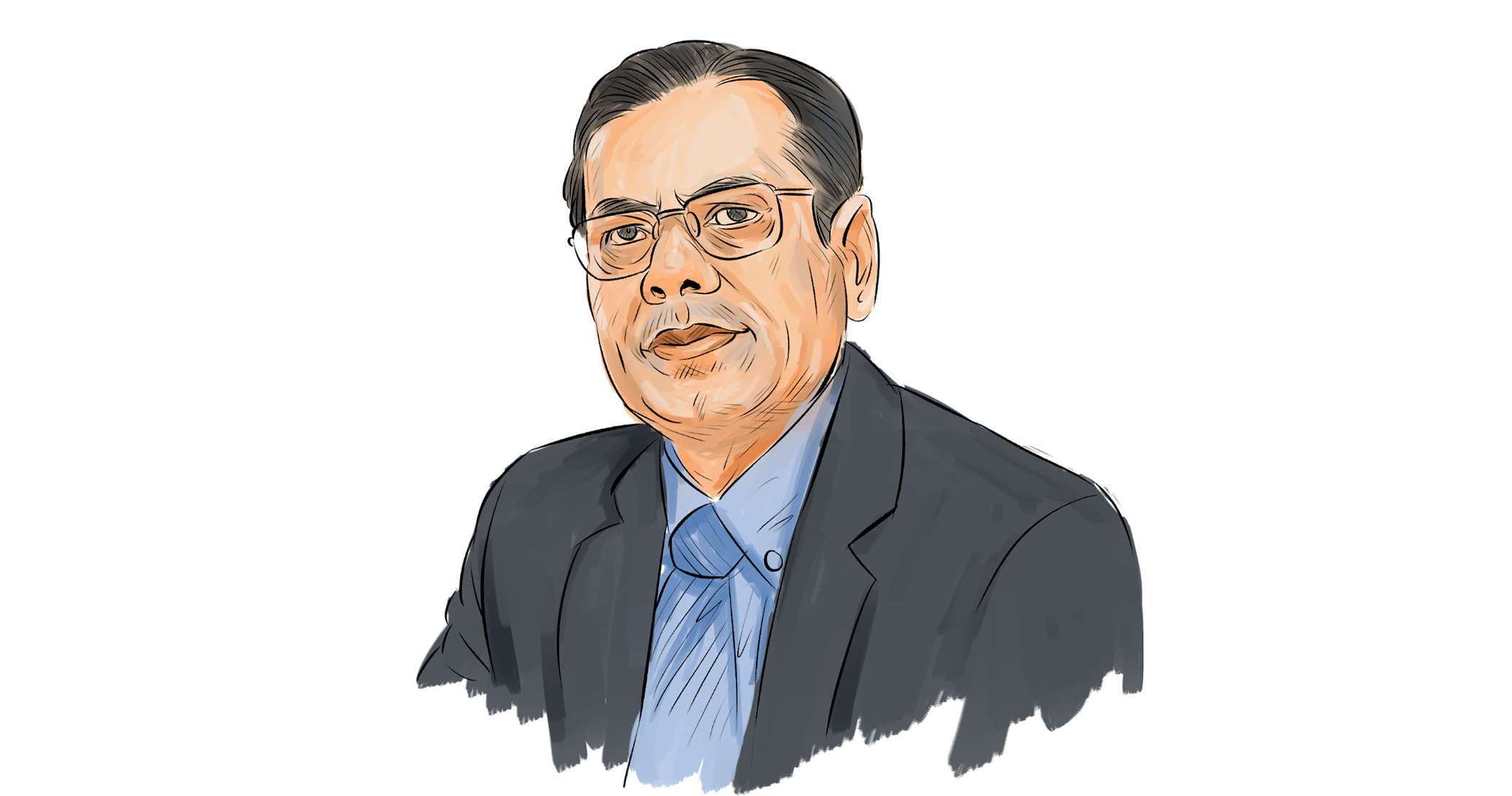
Selim Raihan, executive director of Sanem, says previous
governments kept reforms stuck in rhetoric

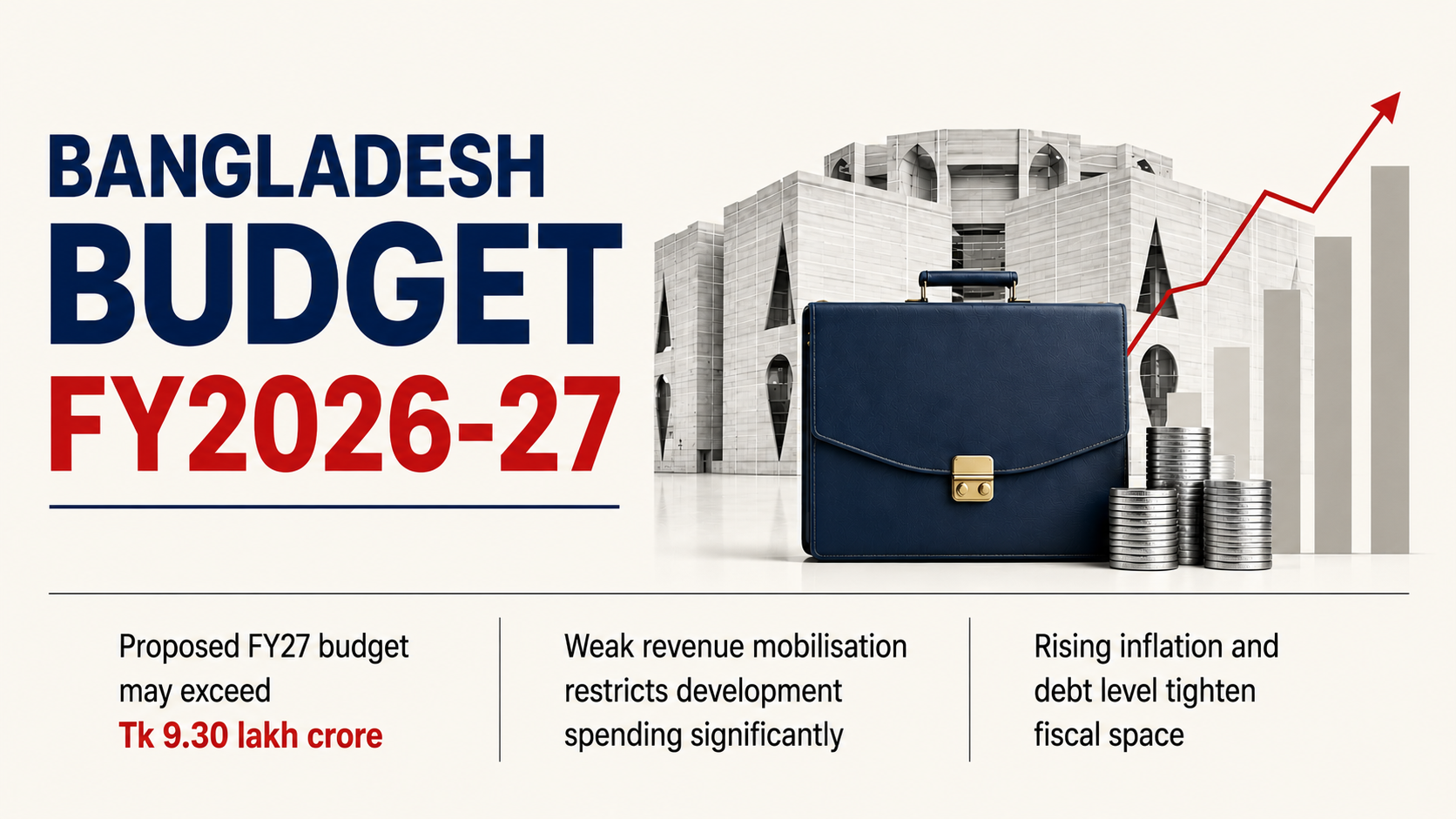
On the upcoming budget, Prof Raihan said it must confront the country’s deepening economic vulnerabilities instead of focusing on politically attractive promises. The economy, he said, remains trapped in a prolonged crisis marked by weak private investment, fragile banks, persistent inflation, and critically weak domestic revenue mobilisation.
The government’s ambition to build a trillion-dollar economy by 2034 will remain out of reach without urgent reforms in banking, taxation, and business costs, as the country’s current economic structure is too weak to sustain the level of growth required, a leading economist said.
“Bangladesh cannot become a trillion-dollar economy or achieve major poverty reduction goals without meaningful reforms in banking, taxation, trade policy, investment policy, and logistics,” Selim Raihan, executive director of the South Asian Network on Economic Modeling (Sanem), told The Daily Star in an interview.
He noted that previous governments kept reforms stuck in rhetoric. “We have seen too many flowery words in budgets over the last 10 to 15 years. The promises are made, but implementation never follows.”
The economist identified three critical reforms necessary for the economy to grow -- financial sector stability, tax system reform, and reduction of business costs.
He said banks are currently too weak to support diversified private investment, especially for businesses seeking to move into new products and sectors.
Raihan, also a professor at the Department of Economics, University of Dhaka, pointed to the tax system as another barrier, describing it as unpredictable and discriminatory.
Authorities often place greater pressure on existing taxpayers rather than expanding the tax net, he said. “Without a transparent and predictable taxation structure, both local and foreign investors will continue to lack confidence.”
The economist stated that businesses continue to face bureaucratic obstacles, inefficiency at ports, poor logistics, and infrastructure bottlenecks that raise costs and deter investment.
HALF REFORMS AND NO REFORMS
Prof Raihan, who contributed to the White Paper Committee and served on an interim government taskforce on economic reforms, said many of their recommendations -- covering banking, taxation, trade, and investment policy -- have yet to receive serious policy attention.
He, however, warned against fragmented or politically inconsistent reform attempts, citing recent changes to the Bank Resolution Act as a damaging example.
The amendments, he argued, created confusion and sent mixed signals about the government’s reform intentions. Any future initiative must include clear timelines, stakeholder consultations, and strong political commitment.
He also touched on the government’s ongoing negotiations with the International Monetary Fund (IMF), which has withheld the next tranche of a loan programme, citing insufficient progress in key structural reforms.
According to Raihan, many of the reform conditions attached to IMF loans are not new demands but long-standing recommendations that domestic economists and businesses have raised for years.
He said previous governments largely ignored these reform calls until financial pressure forced Bangladesh to seek IMF assistance.
 For all latest news, follow The Daily Star's Google News channel.
 Rather than treating them as external pressure, he argued that the government should build its own reform roadmap for implementation and engage constructively.
FOCUS ON CRISIS, NOT POLITICAL PROMISES
On the upcoming budget, Prof Raihan said it must address the country’s deepening economic vulnerabilities instead of focusing on politically attractive promises
The economy, he said, remains trapped in a prolonged crisis marked by weak private investment, fragile banks, persistent inflation, and critically weak domestic revenue mobilisation.
Noting that it will be the first full budget of a BNP-led government in a long time, he said the government faces a difficult balancing act.
He cautioned against relying on election-driven pledges that require large public spending without securing sustainable financing sources first.
“Public expectations are high, but the economy the government inherited is far weaker than many realise. The biggest challenge now is bringing the economy back on track,” Prof Raihan said
According to him, Bangladesh’s current economic troubles are signs of structural weaknesses that have accumulated over years. Private investment has slowed sharply, exporters are struggling with weak global demand, inflationary pressure remains stubborn, and the banking sector continues to suffer from institutional fragility.
In the prevailing circumstances, according to the economist, the upcoming budget needs to be a “crisis-time budget” that prioritises stability, institutional reform, and efficient use of resources over populist expenditure.
Although he does not expect dramatic subsidy reforms in the immediate budget, he hopes the government will initiate a broader review process afterwards.
The economist compared the current private investment climate to the 1980s. “The private sector is still very hesitant and confused,” he said, adding that restoring investor confidence must become a central objective of the budget.
He cautioned against major interest rate cuts, saying investor confidence depends far more on institutional stability than on monetary policy alone. “The government should instead focus on addressing supply-side constraints and institutional weaknesses driving inflation.”
REFORM WELFARE SYSTEM WITH FAMILY CARD
The Sanem executive director said Bangladesh now faces a particularly difficult environment because repeated global shocks continue to fuel price pressures, and emphasised the need to protect low-income households.
Sanem research suggests poverty could rise and growth slow further if global instability persists.
He said the government’s planned expansion of social protection schemes, including the proposed family card programme, could become an important opportunity to reform a fragmented welfare system if implemented properly.
The country currently operates multiple overlapping safety programmes plagued by corruption, leakage, duplication, and weak targeting. Rather than adding another isolated scheme, he argued the family card should serve as a unified framework consolidating existing programmes under a single coordinated structure, backed by digital tools, improved databases, and stronger institutional oversight.
“Giving more money to inefficient systems creates more leakage,” he warned, urging not to just allocate more funds to ministries without reforming governance structures.
WHO DO ENERGY SUBSIDIES ACTUALLY SERVE?
On subsidies, Prof Raihan called for a comprehensive reassessment of how they are distributed, particularly in the energy sector where the fiscal burden has become increasingly difficult to sustain.
He criticised years of “ad hoc subsidy management”, arguing poorly designed subsidies create market distortions while failing to improve efficiency.
He also questioned whether some subsidies remain justified under changing conditions -- noting that remittance incentives, introduced when exchange rates were tightly controlled, need reassessment under a more market-based system.
The energy sector remains the most pressing concern, he said, pointing to inefficiencies in petroleum imports, LNG procurement, electricity generation, and institutional management as key drivers of rising energy costs.
He also flagged a contradiction in government policy: the state collects large taxes and duties on fuel imports while simultaneously spending heavily on subsidies.
This, he argued, reflects “deeper governance problems involving multiple vested interests within both the taxation and subsidy systems.”
Bangladesh’s graduation from least-developed country status will make maintaining large subsidy programmes increasingly difficult, Prof Raihan added, because many subsidies may face international scrutiny after graduation.
Comments